
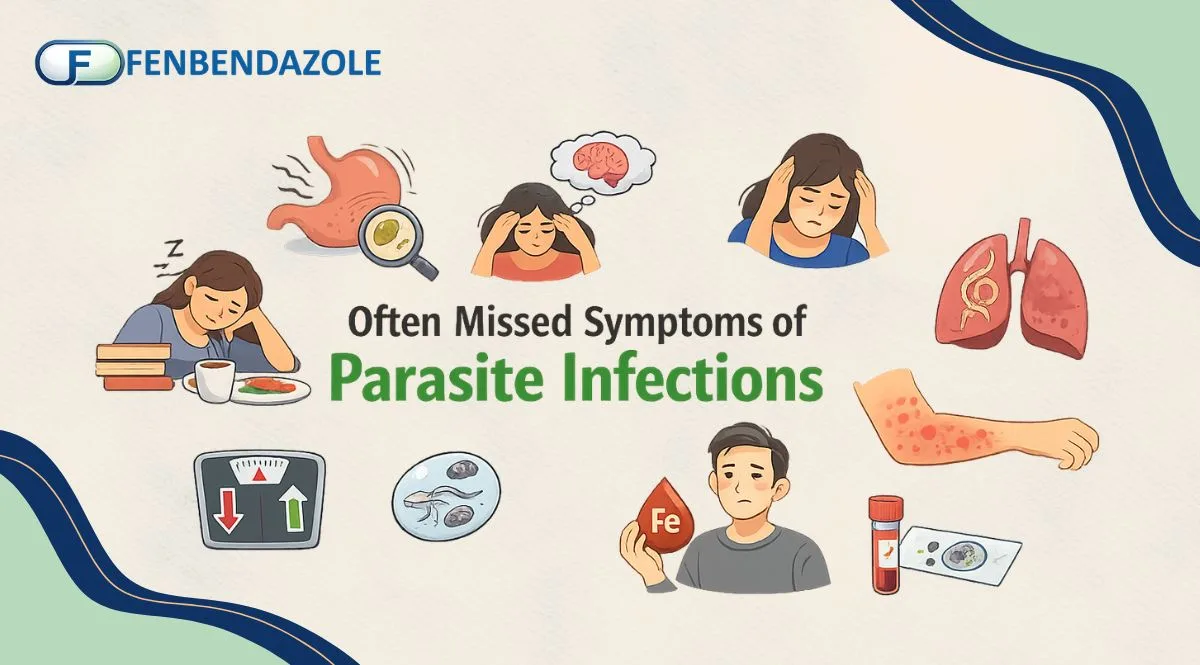
Parasite infection actually occur a lot more frequently than most people think. Some parasites are more obvious due to digestive symptom complaints, but some develop slowly with mild symptoms that are much more vague. Stress, food intolerances, allergies, and other medical complaints can all contribute to the misdiagnosing of these infections, which may go undiagnosed for months due to the symptoms that are combined with other health problems.
According to the World Health Organization (WHO), soil-transmitted intestinal worms are some of the most common parasites in the world and infect more than 1.5 billion people worldwide. During the early stages of these infections, many are often asymptomatic and go undiagnosed.
This guide will help you identify some of the most commonly overlooked symptoms of parasitic infections and help you understand when to seek medical help as well as the methods used to diagnose these infections.
Why Are Parasite Symptoms Often Missed?
Parasite symptoms are often overlooked as many intestinal parasites are designed to live in a host and not cause illness for a sustained period of time. Symptoms of many of these slowly developing infections combine to create a mild and vague set of digestive and health complaints.
There are many reasons parasite infections are overlooked, including but not limited to the following:.
- Symptoms often resemble irritable bowel syndrome (IBS)
- The busy lifestyle excuse (fatigue)
- An array of arbitrary nutrient deficiencies
- Skin problems are often misdiagnosed as allergies
- Mild infections may produce no symptoms at all
The CDC notes several parasitic infections can go without notice until prolonged complications arise.
Unrelenting Fatigue
Losing energy, as always, has to be the most frequently and easily ignored symptoms.
Some intestinal parasites affect the absorption of nutrients and cause chronic blood loss which decreases levels of iron, vitamin B12, and other nutrients that participate in the synthesis of energy.
You may see the following:
- Persistent low energy
- Difficulty maintaining concentration
- Fatigue despite sufficient sleep
- Reduced exercise tolerance
Frequent Digestive Issues
Though digestive issues are common, they are frequently dismissed as food intolerances or dyspepsia.
Some signs are:
- Bloating
- Gas
- Cramps
- Nausea
- Diarrhea
- Constipation
- Diarrhea and constipation can alternate.
Severe diarrhea is not a symptom of all parasites. Some infections can cause mild digestive issues that are intermittent.
Unexplained Changes in Weight
Parasites can also cause changes in weight due to their ability to interfere with the absorption of nutrients, which may result in:
- Gradual weight loss
- Difficulty maintaining weight
- Poor appetite
Weight gain may occur in some due to the inflammation and altered appetite.
Iron Deficiency or Anemia
Hookworms and many other intestinal parasites feed on blood.
According to the WHO, hookworm infections cause chronic blood loss resulting in iron-deficiency anemia, especially in women and children.
Some of the symptoms are:
- Pale skin
- Shortness of breath
- Dizziness
- Weakness
- Cold hands and feet
Skin Issues
Some parasites can cause allergic reactions or inflammation that affect the skin.
Some possible skin symptoms are:
- Rashes that are itchy
- Hives
- Eczema-like symptoms
- Unexplained redness
- Recurring skin inflammation
Digestive complaints and skin irritation alone are not indicative of a parasitic infection.
Itching of the Anus
Itching of the anus, especially at night, is a classic symptom of a pinworm infection.
The larvae of female pinworms cause extreme itching by laying eggs around the anus during sleep.
Infections occur most commonly in children, but adults can be infected as well.
Nutritional Deficiencies
Parasitic infections can lead to deficiencies by decreasing the body’s ability to absorb key nutrients.
Deficiencies can occur for:
- Iron
- Vitamin B12
- Folate
- Vitamin A
- Protein
Deficiencies can lead to illness from infections due to a weakened immune system, including an increased risk of infections.
Brain Fog and Poor Concentrating
Prolonged illnesses may lead to an inability to concentrate.
Though parasitic infections are not the only cause of prolonged brain fog, chronic inflammation and sleep deprivation may cause prolonged brain fog as well.
Muscle Weakness
Parasitic infections can cause electrolyte and nutrition imbalances.
Symptoms include:
- Muscle aches
- Weakness
- Discomfort
- Poor physical performance
All of the above symptoms can be caused by other illnesses as well and, therefore, warrant a medical evaluation.
Continual Cough
Roundworms and multiple parasitic infections migrate to the lungs as a part of their life cycle.
This can cause temporary breathing symptoms such as:
- Dry cough
- Wheezing
- Chest discomfort
These will most often occur first, before the symptoms related to the intestines.
Who Is Most at Risk?
Everyone is at risk for parasitic infections, but the risk becomes greater for people who:
- travel to areas with poor sanitation
- drink untreated water
- eat undercooked meat/seafood
- eat contaminated fruits/vegetables
- walk barefoot on contaminated soil
- have contact with infected people/animals
According to the CDC, most parasites have specific organisms but can also be found in food, water, animals, insects, soil, and can spread to other people.
When Should You See a Healthcare Provider?
The following symptoms warrant a visit to your healthcare provider:
- ongoing diarrhea for multiple days
- blood in your stool
- ongoing abdominal pain
- unexplained weight loss
- severe fatigue
- chronic anemia
- international travel-associated symptoms
- fever in conjunction with digestive symptoms
Early diagnosis is crucial to finding the cause of the symptoms and helping you to get better.
How Are Parasite Infections Diagnosed?
Diagnosis is based on your symptoms and the parasite in question. Your healthcare provider may recommend the following:
|
Test |
Purpose |
|
Stool ova and parasite (O&P) examination |
Detects parasite eggs or organisms |
|
Stool PCR testing |
Identifies parasite DNA |
|
Blood tests |
Detect inflammation or certain parasites |
|
Imaging tests |
Used when parasites affect organs outside the intestine |
|
Endoscopy or colonoscopy |
Occasionally used in complex cases |
According to the CDC, some parasites may only be seen in a stool sample if multiple samples are collected on different days.
Can Parasite Infections Be Prevented?
Yes, they can be somewhat of a concern. Here are some things you can do to help prevent them:
- Wash your hands before eating with soap.
- Drink treated, safe water.
- Wash fruits and vegetables.
- Fully cook your meat and seafood.
- Wear shoes when you go outdoors.
Clean yourself after you deal with your pets.
Conclusion
Infection caused by parasites usually do not stem severe or acute symptoms. In fact, fatigue, tummy cramps, iron deficiency and skin rashes in addition to impaired focus are often mistaken for other health issues. Identifying these symptoms provides motivation for people to seek timely medical care and to get the correct health tests.
Hundreds of millions of people all around the globe are afflicted by parasitic infections. Most of these infections can be treated once the proper diagnosis is given. If you have annoying symptoms and no evident cause, especially considering your travel and eating history as well as your exposure to different environments and situations, you should be open about the risk of parasites to the healthcare professional that you trust.
Write Reviews
Leave a Comment
No Comments & Reviews