
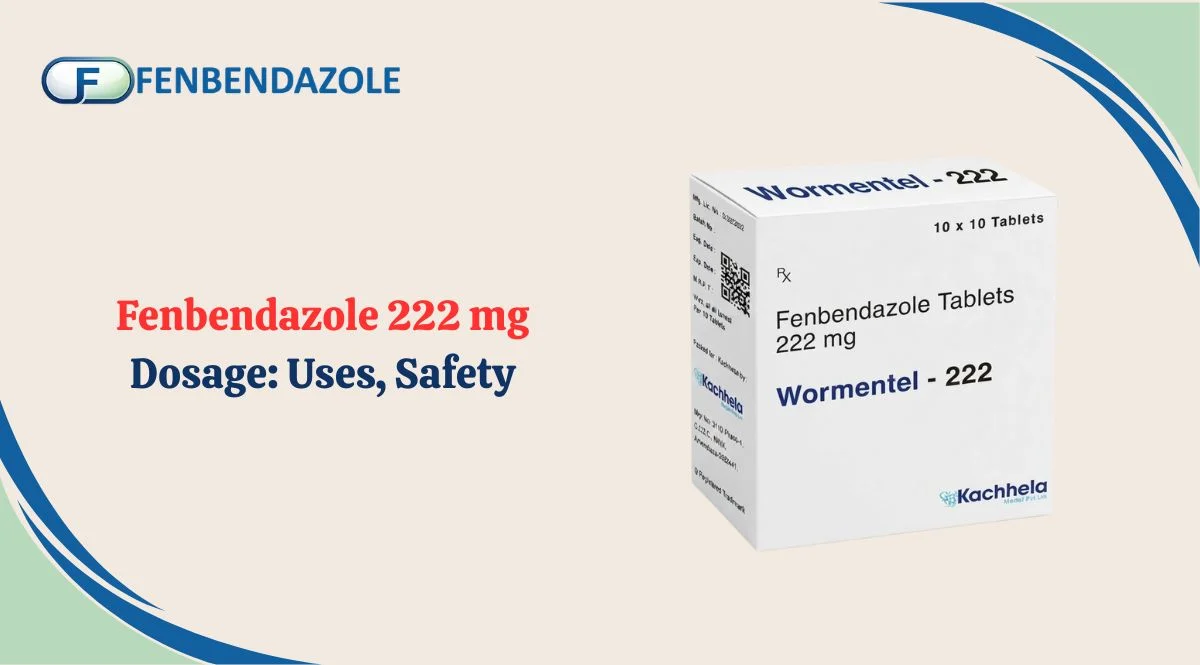
Fenbendazole is a single ingredient broad spectrum anti-parasitic dewormer. It is used to treat several types of intestinal parasites and is a drug used in veterinary parasite control. One product sold as 22.2% fenbendazole is Panacur C for dogs.
222 mg is the amount of fenbendazole in one gram of 22.2% fenbendazole. It does NOT mean that every animal gets a Fenbendazole 222 mg dose. The dose is dependent on the body weight of the animal, the parasite, the species, and the label of the product.
What is Fenbendazole 222 mg?
Fenbendazole 22.2% granules contains 222 mg of fenbendazole per gram of the product. The medication is a benzimidazole class antiparasitics, and has activity against a variety of gastrointestinal parasites.
In the United States, Panacur C is labeled a dewormer for dogs. It is approved for the control of roundworms, hookworms, whipworms, and the Taenia pisiformis tapeworm.
Since different fenbendazole products can be of varying concentrations and have different approved uses, one must always review the product label prior to dose calculation.
Fenbendazole 222 mg Dosage for Dogs
For 22.2% fenbendazole granules (Panacur C), the canine dose is listed as 50 mg of fenbendazole per kg of body weight once daily for 3 days. This is approximately 22.7 mg per pound.
The manufacturer states that using this dose, one gram of 22.2% granules is recommended for every 10 pounds of body weight, administered once daily for 3 consecutive days.
|
Dog’s Weight |
Approx. Daily Granules |
Treatment |
|
10 lb |
1 g |
Once daily for 3 days |
|
20 lb |
2 g |
Once daily for 3 days |
|
30 lb |
3 g |
Once daily for 3 days |
|
40 lb |
4 g |
Once daily for 3 days |
|
50 lb |
5 g |
Once daily for 3 days |
These dosing instructions apply to the labeled 22.2% fenbendazole dosage for dogs and should not be used to calculate doses for other species or for other products.
How is Fenbendazole 222 mg Given?
Panacur C dosage are to be added to the dog’s regular food and consumed by the dog to ensure the correct dose is delivered. These may require some water added to the food to help ensure the granules become distributed.
It is also recommended that the dog be weighed before the dose is determined. This is very important for the dogs that are between the weight ranges of each of the dosing recommendations.
Which Parasites Does It Treat?
The labeled canine formulation is indicated for many of the more common gastrointestinal worms which include:
- Roundworms
- Hookworms
- Whipworms
- Some tapeworms
Merck Veterinary Manual also states that fenbendazole with a dose of 50 mg/kg once daily for three days is a common treatment for gastrointestinal worms in dogs, but treatment schedules differ depending on the worm(s) being treated. It is also important for a veterinarian to determine if this treatment is being done on or off label.
A veterinarian may recommend further diagnostics if symptoms continue after treatment (diarrhea, weight loss, vomiting, and poor appetite) because these symptoms could be caused by other things than intestinal worms.
Is 222 mg the Right Dose for Every Dog?
No, 222 mg/g should not be considered a standard dose for an animal. A 10 lb dog would require approximately 1 g of 22.2% fenbendazole granules, which is about 222 mg of fenbendazole, under the Panacur C label. The dose would be even higher for a larger dog because it would be based on the dog’s weight.
For this reason, dosing errors may be made by measuring fenbendazole on a concentration basis alone.
Fenbendazole for Puppies
Panacur C is labeled for puppies that are 6 weeks of age or older and adult dogs. The labeling that is approved by the FDA states that the product is also intended for pregnant female dogs.
However, a sick puppy should not be treated with a dewormer without an exam by the veterinarian. Vomiting, diarrhea, weakness, and dehydration can cause poor growth, and these dogs may require testing, in addition to treatment of parasites, and supportive care.
Possible Side Effects
Fenbendazole at the dose and duration prescribed by the veterinarian is generally well tolerated. In the Panacur C studies, vomiting was reported in 3 of 240 dogs, approximately 1% of the dogs in the study.
The use of drugs for deworming can cause other gastrointestinal symptoms such as vomiting and diarrhea, which can also be severe and cause weakness. If any of these symptoms persist, veterinary assistance should be sought.
The FDA reports bone marrow problems in dogs related to extra-label use and treatment beyond the labeled duration. This proves why one must not extend treatment without the guidance of a veterinarian for fenbendazole.
What About Fenbendazole 222 mg for Humans?
Fenbendazole products in the veterinary medicine category include Panacur C and should never be considered as human deworming products. The dosing for dogs is based on veterinary medicine and should not be used to calculate a human dose.
Fenbendazole has not been validated for human use with the level of clinical evidence necessary to approve a human antiparasitic medicine. Thus, the veterinary product should never be based on the animal’s dosing information.
Final Thoughts
Fenbendazole 222 mg/g indicates the concentration of fenbendazole in a 22.2% granule formulation. The labeled Panacur C canine treatment is dosed at 50 mg/kg once daily for three consecutive days, equating to about 1 gram of granules per 10 pounds of body weight.
The amount used must be based on the animal’s weight and the exact product used. For sure treats, follow the directions on the product label, and if using a treatment on a young or sick animal, pregnant animal, or animal with complications, seek a veterinarian’s advice.

Fenbendazole is a benzimidazole antiparasitic drug which has an incomplete understanding regarding how it is processed and eliminated by the body. One of the reasons is bioavailability.
In veterinary medicine, there is a high amount of research regarding the bioavailability of fenbendazole in different animal species when considering the parameters of formulations and food intake. Analyzing the data available will provide better insight for clinicians to explain the large variation in drug exposure when dealing with different animal patients.
What is Fenbendazole Absorption?
For any drug to have a pharmacological effect, it must be absorbed in the body after administration. For fenbendazole, this means dissolving and crossing the intestinal membrane to penetrate the blood circulation. The drug absorption will depend on the drug molecule and the prevailing conditions in the gastrointestinal tract.
According to Merck Veterinary Manual, several factors affect the absorption of drugs by the gastrointestinal tract which includes the rate with which the drug comes into contact with the gastrointestinal walls, motility, as well as the pH and the surface area in the tract.
For fenbendazole, bioavailability will largely depend on the rate of dissolution and absorption in the gut because of its relatively poor water solubility. Consequently, a large amount of fenbendazole could be lost before being absorbed.
What Does Bioavailability Mean?
Bioavailability describes the amount of a given drug which reaches the blood circulation after administration. For many oral drugs, the bioavailability is impacted by the absorption, as well as the changes which occur in the blood due to the first pass effect.
There are two important pharmacokinetic parameters which describe a drug, the first being the maximum concentration (Cmax), and the time taken for the drug to reach its highest concentration (Tmax). The area under the concentration versus time curve (AUC) is the third important pharmacokinetic parameter, and it describes the total drug exposure.
Researchers use this information to better understand how a particular formulation, diet, or dosing regimen impacts fenbendazole exposure.
Does Food Affect Fenbendazole Absorption?
For some animal studies, absorption of fenbendazole is impacted by food.
One study involving 6 beagle dogs investigated administering fenbendazole with an empty stomach and administering with food. Research showed administration with food increased bioavailability, while administration of fenbendazole with food with varying fat content displayed no considerable change in relative bioavailability.
From this, we can assume that in this particular case, the presence of food is more important than the fat content of food.
Another study showed that administration of fenbendazole with feed resulted in increased apparent bioavailability when compared to administration in capsule form.
The effects noted in this study and the other studies mentioned should not be extrapolated to humans.
Does a Higher Dose Mean More Absorption?
Increasing a dose does not necessarily increase absorption.
In one study involving beagle dogs, a dose from 2.5 to 80 mg/kg did not increase absorption.
Another study that looked at dogs showed that a dose from 20 to 100 mg/kg did not increase absorption.
This exemplifies a principle in pharmacokinetics: increasing a dose does not always increase the concentration in the blood.
What Happens After Absorption?
After absorption, fenbendazole goes through distribution and metabolism. Metabolites can also be considered part of the total exposure.
Third-pass metabolites of fenbendazole such as oxfendazole are measured during pharmacokinetic studies. Metabolism also plays a part in how much of an anthelmintic is eventually active in the system. According to Merck Veterinary Manual, first-pass metabolism affects systemic exposure to orally administered anthelmintics.
Fenbendazole and its sulfoxide metabolite can also be measured in the case of an oral dose for dogs. The concentrations of both were found to be measurable after an oral administration. In one study, concentrations were shown to have peak levels many hours after an oral dose.
Does Formulation Affect Bioavailability?
In this case, yes. Bioavailability is also impacted by the physical characteristics of the dosage.
Formulation of an administration dosage of a newer fenbendazole for dogs showed that the new formulation impacts the behavior of the drug and shows measurable systemic exposure after an oral dose.
If exposures of one formulation of fenbendazole are known, one cannot automatically assume the same will hold true for all of the other formulations of fenbendazole. The different tablets, suspensions, and capsules will each behave differently.
Can Bioavailability be Different Between Species?
Yes, it can.
In pigs, fenbendazole was found to have a bioavailability of 27.1%. Oxfendazole was found to be one of the major plasma metabolites of this drug.
In another study, the plasma concentrations of fenbendazole, oxfendazole, and albendazole in dogs were compared. The differences were found to be significant.
Because of the differences in digestive systems, pharmacokinetics are not comparable in dogs and pigs. The same could be said of horses, cattle, and humans.
Can Repeated Doses Change Drug Exposure?
Yes, constant dosing can prolong the exposure time.
In a study of dogs, concentrations of fenbendazole in the plasma were shown to be sustained when the dosing regimen was increased to five days of dosing.
This does not mean that repeated dosing is appropriate for every animal or condition. Treatment schedules must consider veterinary prescribing information and professional guidance.
Fenbendazole Absorption in Humans
Since there is limited published clinical data on fenbendazole, the majority of the available information was obtained from animal research. Although there is not sufficient published clinical evidence on dogs or other animals, we cannot assume that absorption, bioavailability, metabolism or the correct dosing for humans will be as it is for other animals.
Fenbendazole is primarily a veterinary drug, so animal research should not form the basis of an unapproved human dosing regimen.
Final Thoughts
The absorption and bioavailability of fenbendazole is dependent on many factors, including type of food and formulation, dose, the species involved, the prevailing conditions of the gastrointestinal tract, and metabolism. From animal research, fenbendazole may be formulated with food, as it has shown to increase bioavailability, and increasing the dose may not necessarily increase systemic exposure.
Because the majority of the published research is animal research, these findings should be interpreted with caution when considering fenbendazole in humans. More research is required for human pharmacokinetic studies to understand how fenbendazole is absorbed and processed in humans.
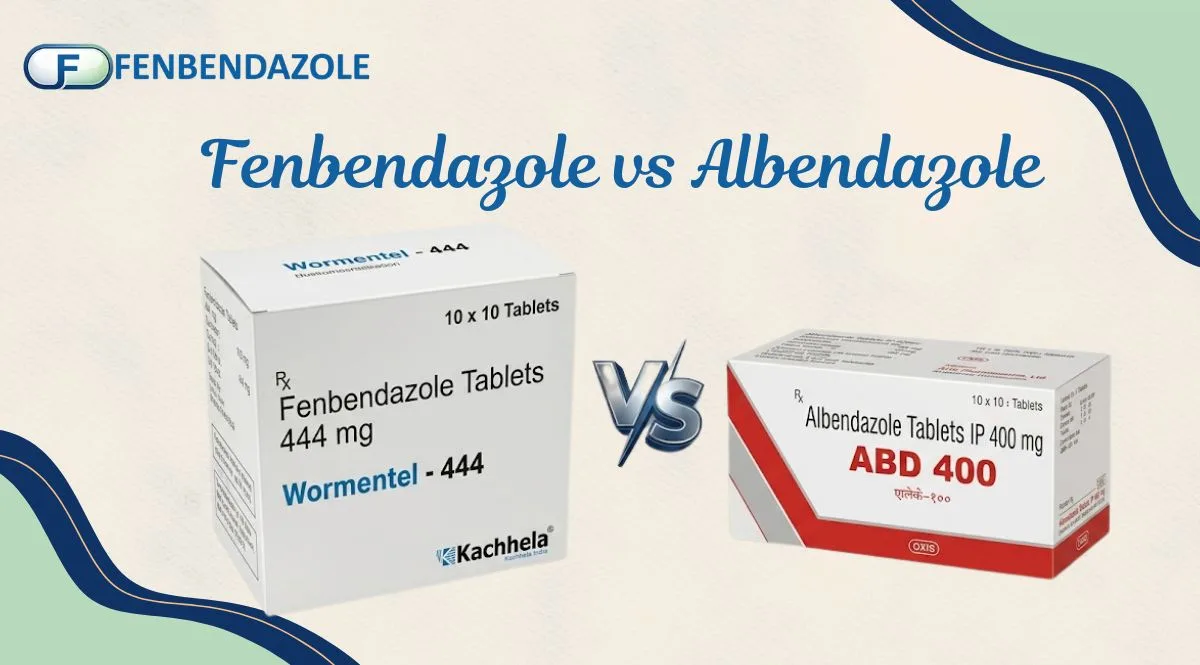
For people researching for treating parasitic worm infections, the comparison of Fenbendazole vs Albendazole is very common. They are both in the benzimidazole family, yet they are separate medications used for different things.
The main difference between the two compounds is Albendazole is an established anti-parasitic medication for humans. On the other hand, Fenbendazole is predominantly for veterinary use and has no FDA approved indication for human use.
Key Takeaways – Fenbendazole vs Albendazole
- They are both benzimidazole antiparasitic drugs.
- Fenbendazole is for veterinary use.
- Albendazole is for humans.
- Both medications interact with and inhibit parasitic microtubules.
- They do not treat the same infections.
- Fenbendazole should not be used in place of Albendazole for humans.
What Is Fenbendazole?
Fenbendazole is an antiparasitic medication for veterinary use. It is used in controlling parasites of the gastrointestinal tract in veterinary practice, for susceptible roundworms and hookworms, and whipworms among others.
Fenbendazole gained interest online because of some laboratory based research that explored its biological activities and possible relations with cancer, however, these laboratory studies should not be interpreted as approval or even use of fenbendazole for human use.
For the comparison of Fenbendazole vs Albendazole, understanding that Fenbendazole is a veterinary medication is of significance.
What Is Albendazole?
Similar to Fenbendazole, Albendazole is also an antiparasitic benzimidazole drug, but it has established use in human medicine.
In the United States, Albendazole is approved for specific parasitic conditions like neurocysticercosis and hydatid disease.
According to the World Health Organization (WHO), Albendazole is recommended for the treatment of some soil-transmitted helminthiasis, including infections caused by roundworms, whipworms and hookworms.
This provides strong evidence on the human medical side of albendazole, over fenbendazole.
Fenbendazole vs. Albendazole: Main Differences
|
Feature |
Fenbendazole |
Albendazole |
|
Drug class |
Benzimidazole |
Benzimidazole |
|
Main use |
Veterinary antiparasitic |
Human and veterinary antiparasitic |
|
FDA-approved human use |
No |
Yes, for specific conditions |
|
Human dosing |
No approved regimen |
Established for approved uses |
|
Human clinical evidence |
Limited |
Well established |
|
Veterinary use |
Yes |
Yes |
As this comparison of Fenbendazole vs. Albendazole shows, the two drugs have the same subclass, but differ in their roles in pharmacology.
How Do Fenbendazole and Albendazole Work?
Fenbendazole and Albendazole work by obstructing microtubules in susceptible parasites. Microtubules are important to the survival of the parasite, and disruption of microtubules can result in the death of the parasite.
Both drugs bind to beta-tubulin of the parasite, disrupting normal cellular processes and resulting in the death of the parasite.
Though the two drugs work similarly, Fenbendazole vs. Albendazole should not be viewed as similar drugs. They can have differences in activity, approved uses, and clinical evidence.
Which Parasites Do They Treat?
The parasites that each medicine treats is dependent on the drug, the species, and the particular infection.
There are many approved human uses of albendazole against certain helminthiasis. WHO includes albendazole in recommended treatments for helminth infections.
FBD has similarly approved uses for several worms, but primarily veterinary uses.
Fenbendazole vs. Albendazole is not a case of dealing with which drug is more effective against worms. The appropriate medicine depends on the parasite that is being treated and the patient.
Fenbendazole vs Albendazole for Humans
This is perhaps the most important distinction between the two drugs.
Albendazole has approved human indications and well-documented doses. Clinicians have a lot of experience with the drug for a variety of parasitic infections.
Fenbendazole has no approved human indications. While some websites talk about using It in humans, no evidence in the form of clinical studies done on humans can replace these claims.
Therefore, when looking at Fenbendazole vs Albendazole for humans, we should look at the available evidence and safety, in addition to the approvals.
Are Fenbendazole and Albendazole the Same?
No. The distinction between Fenbendazole vs Albendazole is about two separate active ingredients.
They do share the same broad drug family, which accounts for the similar mechanism of action. However, they have different structural formulations, different pharmacokinetic properties, different approved conditions, and different levels of clinical evidence.
Being in the same drug family does not mean they can be used interchangeably.
Fenbendazole vs Albendazole Which Is Better?
It depends.
For a human parasitic infection for which albendazole is an appropriate treatment, according to clinical evidence and approvals, albendazole should be used over Fenbendazole.
Fenbendazole has approved veterinary indications but that does not mean it can be used in place of albendazole for humans.
Fenbendazole vs Albendazole should be decided based on the parasite, patient, and approved indications and should not be based on the strength of either drug.
Fenbendazole vs Albendazole: Safety
Albendazole has a safety profile in humans that has been well documented. Side effects such as abdominal issues, headaches, nausea, and changes of liver enzymes may occur; however, treatment length and severity play a role in these occurrences.
Safety information of fenbendazole is essentially based on veterinary use. The safety and appropriate dosage in humans has been studied much less than that of albendazole.
This is an important factor when dealing with Fenbendazole vs Albendazole.
Can Fenbendazole Replace Albendazole?
Because of the reasons mentioned above, Fenbendazole should not automatically replace albendazole.
Albendazole has human indications and approved treatment processes. Fenbendazole does not have an FDA-approved human dosing process
If someone believes they have a parasitic infection, it becomes valuable to identify the parasite because certain infections could warrant different treatments.
Fenbendazole vs Albendazole for Cancer
In addition to the interest in cancer research, one of the leading reasons searchers are interested in Fenbendazole vs Albendazole is because of the anticancer activities of fenbendazole.
Although fenbendazole has shown promise in certain laboratory and preclinical studies, activates in laboratory studies cannot warrant the use of fenbendazole as an anti-cancer drug in clinical studies.
Albendazole is not an anti-cancer drug, and its primary use is in anti-parasitic treatments.
Neither drug should be used as a proven cancer treatment due to laboratory studies.
Final Words
The two drugs, fenbendazole and albendazole are similar in many respects but also can be differentiated. These drugs belong to the group of benzimidazoles and infections due to susceptible parasites are controlled by these drugs in similar ways.
In human use, the primary difference is that fenbendazole is a veterinary medicine with no FDA-approved indication for human use, while albendazole has an approved human use and clinical evidence.
For fenbendazole vs albendazole, the parasite, the evidence of approved use, the dose, the safety information, and the clinical evidence are more critically important than the strength of the two drugs.

Fenbendazole is an antiparasitic drug for the control of intestinal parasites and is used predominantly in veterinary medicine. It is used to combat roundworms, hookworms, whipworms, and tapeworms. Fenbendazole dosage for adults based on weight has gained recent interest due to the presence of discussions on online forums regarding the use of the drug on humans.
Before fenbendazole dosage for adults is based on weight, it is important to acknowledge that fenbendazole is not approved for use by the FDA for human use, so there is no adult human dosing based on weight that is approved or standard. FDA information places fenbendazole products in the veterinary drug category.
Here are some points about veterinary fenbendazole dosing, compared to human dosing, and some of the evidence that is available.
Key Takeaways
- When dealing with fenbendazole dosage in veterinary, it is usually weight based.
- Fenbendazole does not have FDA approval for adult weight-based dosing.
- Each animal and the parasite being treated have a role in determining veterinary doses.
- A fenbendazole dosage for dogs that is frequently seen on labels is 50 mg/kg for 3 days.
- Fenbendazole is a veterinary drug and shall not be used for human dosing.
- Fenbendazole should not be used by someone for treating a medical condition unless it has been discussed with a health care professional.
How Is Fenbendazole Dosage Calculated by Weight?
Weight-based dosing is usually in milligrams per kilogram (mg/kg).
The equation is:
Dose in mg = Body weight in kg x dose in mg/kg
Using the above example, let’s assume a vet prescribes a 10 mg/kg dose for an animal weighted at 20 kg:
20 kg x 10 mg/kg = 200 mg
This is an example of veterinary dosing, but it is neither correct nor safe to prescribe this to a human.
The appropriate dose accounts for species, the specific parasitic species treated, product formulation, and schedule of treatment.
What Is the Veterinary Dose of Fenbendazole?
There is no single dose for all animals when considering Fenbendazole.
As an example, for the treatment and control of specific intestinal parasites, the label instructions for Panacur-C state that a daily dose of 50 mg/kg (22.7 mg/lb) should be given to dogs for 3 consecutive days. The product is intended for dogs only and should be administered by mixing with a small amount of the animal’s food.
This is a veterinary dose for dogs, not a human dose.
Other animals and other conditions may have completely different dosing needs. Therefore, administrating the dose for an animal multiplied by the weight attributable to a human is not a safe and medically approved method of arriving at a human dose.
Is There a Fenbendazole Dosage by Weight for Adult Humans?
There is no such dose.
Fenbendazole is a veterinary drug and is not an FDA-approved human drug. Per the FDA, a medicine is only approved for human use when it has been thoroughly evaluated for safety and effectiveness and has a label outlining instruction for its intended use.
This becomes important when one is given a specific milligram-per-kilogram value as a “human fenbendazole dose.” Such values should not be mistakenly equated to an established medical dose.
Why Can’t Animal Doses Be Used for Adults?
The same milligram-per-kilogram calculation does not produce the same effects in different organisms.
There are many ways in which organisms may differ, including:
- Absorption
- Metabolism
- Elimination
- Distribution
- Sensitivity to drugs
- Pharmacological interactions
Fenbendazole dosing is different even among animals. The instructions on FDA-approved veterinary products vary depending on the animal species and the condition being treated.
Therefore, a dose that is appropriate for dogs and other animals cannot be considered appropriate for adult humans.
Does Adult Weight Determine the Fenbendazole Dose?
In case of approved veterinary doses, body weight is important; however, it is not the only factor that determines the optimal dose.
The parasite being treated, the species, the treatment formulation, the duration of treatment, and the health of the animal being treated are other important factors.
For humans, this is an even more serious problem because there is no approved scheme of fenbendazole dosing. Therefore, considering only body weight would give a false sense of precision.
What About Fenbendazole for Parasite Infections in Humans?
For suspected cases of intestinal parasitism, the correct diagnosis and appropriate treatment should be given. It is important to consider that different parasites require different treatments. Based on the infection and the patient’s condition, healthcare workers consider using human antiparasitic medicines that are approved and that include albendazole, mebendazole, praziquantel, ivermectin, or other medicines.
Not confirming an infection before treating with fenbendazole risks stemming from delayed appropriate care or unnecessarily exposing patients to medication.
What About Fenbendazole for Cancer?
Another reason fenbendazole has gained popularity is that lab and animal research have examined fenbendazole and its potential for use with cancer cells.
However, lab activity and treatment of cancer with fenbendazole is not approved. There is a lack of credible clinical data to evaluate and define an effective dose of fenbendazole for use in treating cancer.
People with cancer should avoid replacing prescribed treatments with veterinary medicine and should instead maintain an oncology team for evidence-based treatment.
Is Fenbendazole Safe for Adults?
Fenbendazole has not been approved for use in humans, and therefore, its safety during human use is not known. Safety is further of concern for unsupervised use. The FDA has reported thirteen cases of bone marrow hypoplasia or pancytopenia in dogs related to use of fenbendazole for more than three days, the length of time suggested for use of the drug in that species.
These reports are related to dogs and do not justify the same concern for humans, but they justify the belief that unsupervised use of veterinary medication for a length of time longer than the suggested time is harmful to humans.
Frequently Asked Questions
What is the standard fenbendazole dose by weight?
Dose ranges vary. Veterinary dosing depends on the species and the condition being treated. An example for dogs would be a 50 mg/Kg daily dose for three days.
Is 50 mg/kg a human fenbendazole dose?
No. The 50 mg/kg is the labeled dose for certain parasites in dogs and should not be presented as the approved adult human dose.
Can adults calculate fenbendazole dosage from body weight?
There is no human calculation that can be used to validate the safety of fenbendazole dose for body weight.
Is fenbendazole approved for humans?
No. Fenbendazole is a veterinary drug, and there is no FDA-approved human dosing schedule for fenbendazole.
Final Thoughts
Although the concept of fenbendazole dosage by weight does exist in veterinary medicine, there is no adult human dose that is approved. There are certain veterinary drugs that have instructions in the mg/kg format, and the 50 mg/kg dose for three days for the drug Panacur-C is an example. However, these instructions apply to dogs.
Body weight cannot be the only factor in determining a safe human dose. The parasites that are treated, the goals for treatment, the veterinary product, the dose, the species, and even the parasite metabolism can affect a safe dose. The safest, evidence-based approach is to treat the infection if suspected, and obtain a diagnosis.

Fenbendazole is a medicine in veterinary antiparasitics used against intestinal parasites. It is quickly gaining popularity outside of veterinary practices due to human-related interest and its potential use in experimental cancer research.
One of the most popular queries is how long does fenbendazole stay in your system. There is no definitive answer for human cases, since fenbendazole is not approved for human use, and the pharmacokinetics for humans are minimal.
Key Takeaways
- There is no established human half-life for fenbendazole.
- Studies show that elimination of fenbendazole differs for different species.
- Fenbendazole is mostly converted to an active metabolite in the body, called oxfendazole.
- The amount of fenbendazole absorbed can be altered by the presence of food.
- Metabolite levels can be maintained by repeated doses.
- There is no definitive time for the clearance of fenbendazole in humans.
What Happens to Fenbendazole in the Body?
Fenbendazole is quickly absorbed after passing through the digestive system. Once it enters the body, it is converted to several other compounds including fenbendazole sulfoxide (oxfendazole). These can remain active in the body. Fenbendazole along with its other compounds are mainly excreted in the feces.
The rate at which all this occurs is dependent on several factors – the dose of fenbendazole, the formulations, the presence of food, the metabolism of the body, and how frequently it is administered.
What Is the Half-Life of Fenbendazole?
The half-life of a drug is the amount of time it takes for the concentration of the drug in the body to reduce by half. Fenbendazole does not have one specific half-life. Animal studies have found different results for different species.
A 2020 study on alpacas concluded an oral terminal half life of about 23 hours. Distinct individual alpacas experienced a range of 9 to 37 hours.
In some dogs, the time to reach the peak level in the blood with fenbendazole was approximately 12.7 hours, while its sulfoxide metabolite reached this level at about 15.3 hours.
These timeframes do not identify a human half life.
So, How Long Does Fenbendazole Stay in Your System?
For humans, we can only speculate.
Certain sources on the Internet estimate the time in terms of days;however, we do not have enough information on humans to justify these estimates. The elimination of the drug and its metabolites will likely be different.
For humans, it is more appropriate to state that the drug is eliminated slowly rather than giving a range of days.
Does Food Affect Fenbendazole Absorption?
Absolutely. The absorption of fenbendazole depends on food.
In a study of six beagle dogs, the researchers reported a significant increase in bioavailability of fenbendazole when food was present during the administration of the drug, compared to the administration of the drug when the dogs were fasted. The relative bioavailability was not substantially changed by high fat meals.
Another study reported that feeding fenbendazole with food increased bioavailability, and five days of treatment sustained a significant increase in the plasma concentrations of fenbendazole.
For humans, food is going to affect fenbendazole concentrations in the body as it does for animals, but the animal studies are not dosing instructions for humans.
Also Read : Can Fenbendazole take on Empty stomach?
Does Repeated Use Make Fenbendazole Stay Longer?
The placements of fenbendazole and its metabolites in the body can be sustained by repeated use.
In the dog study, there were sustained levels of plasma concentrations after 5 consecutive daily doses.
This is not to say the drug becomes a permanent resident in the body. It means that before the previous dose and its metabolites have completely left the body, fenbendazole can be absorbed.
The extent of exposure can also be impacted by the metabolism of the drug and the other health factors of the individual.
What Can Affect Fenbendazole Elimination?
There can be several factors that can impact the elimination of a drug, and absorbed drug levels can be impacted by:
| Factor | Why It Matters |
|---|---|
| Dose | Determines the amount entering the body |
| Food | Can change absorption |
| Repeated use | May maintain drug levels |
| Liver function | Important for metabolism |
| Formulation | Can affect bioavailability |
| Individual metabolism | Causes differences in drug processing |
Because all of these factors can vary, there is no specific time that can be determined for the clearance of a drug for an individual.
Is Fenbendazole Safe for Humans?
Although fenbendazole is not approved for human use, it cannot be confirmed what the safety profile would be for humans. The National Institutes of Health’s LiverTox database report that fenbendazole is a veterinary drug, and has been associated with clinically apparent liver injury and elevated liver enzymes.
Human case reports have described serious liver problems due to fenbendazole. In a 2024 report, a 67 year old woman developed drug-induced liver injury secondary to fenbendazole. It took about 3 months with no fenbendazole for her liver tests to return to normal.
Another 2026 case report described drug-induced liver injury, and continued to document concerns of unregulated fenbendazole use.
There are no reports to show how common liver injury happens from fenbendazole, but these reports explain why veterinary fenbendazole should not be thought of as safe for humans.
Can Fenbendazole Be Detected in a Drug Test?
Fenbendazole is normally not tested for in routine drug screens. These screens typically test for Benzodiazepines, opiates, stimulants, and other drugs of that nature.
Specialty testing and laboratory analyses can detect fenbendazole or its derivatives, however there is no established period for detection in humans.
Frequently Asked Questions
How long does one dose of fenbendazole stay in your system?
This time has not been established for humans. Using animals, it has been shown to vary as metabolites are measured for different lengths of time depending on the animal used.
What is the half-life of fenbendazole?
This has not been established for humans. In studies, it was measured to be approximately 23 hours in alpacas after oral dosing.
Does food increase fenbendazole absorption?
This has not been established for humans. Studies show different values ranging from 23 to 90 hours in different animals.
Does repeated use affect elimination?
Studies show it can be measured for greater periods of time in animals, but the overall time duration depends largely on the animal and how it is studied.
Final Thoughts
How long does fenbendazole remain active in the body? As of now, there is no scientific evidence to answer this for humans.
Animal studies show that fenbendazole is converted to active metabolites which are slowly excreted, but due to differences amongst the species studied, it is incorrect to use animal measured values for fenbendazole clearance in humans.
Drug exposure is a function of food, metabolism, number of doses, and drug formulation. Fenbendazole, a drug that has not been approved for human use, has been reported to cause liver injury when administered to individuals who take the drug on their own. For this reason, individuals who take this drug and experience symptoms of jaundice, dark urine, pain in the abdomen, and unusual fatigue should seek medical care.

Fenbendazole is an antiparasitic drug commonly prescribed to treat parasitic worm infections in pets. With the rise of fenbendazole searches on the internet, some curious individuals even ask how fenbendazole should be taken, including the question if fenbendazole can be taken on an empty stomach.
Fenbendazole can be given orally with or without food. While some studies show that fenbendazole can be dosed without regard to food, issues around fenbendazole administration in individuals still remain. Most importantly, fenbendazole’s safety and efficacy have not been evaluated for use in humans; fenbendazole is not approved for use by the FDA.
What Is Fenbendazole?
Fenbendazole is a benzimidazole antiparasitic drug used to eliminate infections with roundworms, hookworms, whipworms, and tapeworms. In veterinary medicine, fenbendazole is FDA approved for the treatment of gastrointestinal parasites in certain animal species.
There are fenbendazole products that are approved for mixing with food of a small quantity.
As these product instructions are designed specifically for animals, they should not be used for humans.
Can Fenbendazole Be Taken Without Food?
Fenbendazole is absorbed in animals regardless of food being present. However, the amount of fenbendazole that is absorbed is likely to be different with food present or absent.
There was one study published in Research in Veterinary Science, that evaluated the bioavailability of fenbendazole in six dogs. The researchers determined that the dose of fenbendazole in food was absorbed much better than when the same dose of fenbendazole was given to the dogs without food.
Taking fenbendazole without food does not necessarily mean the drug will not be absorbed. Food can just change the quantity that makes it to the systemic circulation.
What Does Food Do to Fenbendazole Absorption?
The manipulation of food in the stomach and the condition of the intestines by food can slow or increase the absorption of a number of oral medications. This is through changing intestinal movements, the secretion of intestinal fluids, the transport of intestinal blood, and other processes.
Results obtained from laboratory studies on animals have been variable with regard to fenbendazole absorption and also to the condition of the feeding status.
In dogs, one study reported that with food, the apparent bioavailability was greater than with an empty stomach. Another study reported the same finding regarding the apparent bioavailability of fenbendazole.
Research studies in horses have reported the opposite finding. In those studies, an absence of food resulted in the greater exposure to the benzimidazole compound.
These findings illustrate that the results that were obtained from the research studies for one species of animal cannot be extrapolated to humans for either dosing or recommendations on food.
Does Fenbendazole Work Better With Food?
There is, to date, no published human data to suggest that if fenbendazole is taken with food it significantly alters its absorption. However, there is published data from research studies that have included animals to suggest that food, to some degree, alters the absorption of fenbendazole.
It would not be accurate to suggest that fenbendazole absorption is improving by prescribing that it be taken with food. A number of factors, including the feeding status of the animal, the type of food, the time of feeding, the animal species, the formulation, and the dose, can all alter the absorption of a drug.
From a safety perspective, it is prudent to follow the instructions on the product label for a veterinary product or the instructions given by a veterinarian.
What About Taking Fenbendazole With a Fatty Meal?
You may have heard that fenbendazole should be taken with a fatty meal. Based on the evidence that exists, we should not add this to the standard recommendations.
For example, one of the study cited, which studied dogs, looked at food that contained varying amounts of fat. In that study, researchers found that food, in general, increased bioavailability compared to an empty stomach. However, varying the amount of fat in the food had minimal to no impact on relative bioavailability.
Additional research that included horses found that food effects vary across species.
Based on this, there is no established, evidence-based rule for everyone to take fenbendazole with a fatty meal.
What if Fenbendazole Causes Stomach Issues?
Gastrointestinal upset is common with a number of medications. When an animal receiving fenbendazole develops vomiting, diarrhea, or other atypical signs, the owner should contact the veterinarian.
The FDA has also reported adverse events concerning prolonged, extra-label fenbendazole use in dogs. As of October 20, 2023, the agency had received 12 reports involving bone marrow hypoplasia or pancytopenia in dogs treated beyond the approved duration.
This is a good reminder that pain is always associated with inappropriate use of a medication, even if it is commonly used in veterinary practice.
Can You Take Fenbendazole on an Empty Stomach?
This question needs clarification.
Fenbendazole is not approved by the Food and Drug Administration for human use, and there are insufficient clinical data to define the appropriate human dose, treatment regimen, or the impact of food on administration.
So, even though there are studies on how fenbendazole behaves with and without food in animals, that shouldn’t be used as a guide for humans to self-medicate.
For those with a particular health concern, it’s best to speak with a doctor rather than the veterinarian or online instructions to find your own dosage.
Human Research and Fenbendazole
Since researchers other than those in the veterinary sciences are exploring its potential uses, fenbendazole may have greater potential than previously thought. Some studies describe its possible uses to include cellular phenomena or oncological models.
Even if interactions between fenbendazole and other substances have been studied in the laboratory or in animals, the published results cannot considered evidence that fenbendazole is useful for human treatment of any illness or disease.
The absence of clinical trials is particularly important when evaluating issues regarding food, duration of treatment, and possible adverse drug reactions.
Frequently Asked Questions
Can fenbendazole be taken on an empty stomach?
Studies on animals show that fenbendazole can be given on an empty stomach, however, the absorption of fenbendazole may be altered by food. There are no definitive guidelines for humans.
Does food increase the absorption of fenbendazole?
Studies done on dogs show that fenbendazole absorption is increased by food compared to an empty stomach. Variability is common when studying different species of animals.
Does fenbendazole always need to be taken with food?
Not necessarily. Most veterinary medications are give with instructions for food as part of the label. For example, Panacur-C for dogs indicates that the medication be mixed in with a very small amount of food.
Is fenbendazole made for humans?
Fenbendazole is veterinary medicine and is not permitted for human use in the United States.
Final Thoughts
Fenbendazole can absorbed when given without food. However, studies have shown that food can affect its bioavailability. Studies that have looked at dogs have shown that fenbendazole is absorbed better if given along with food. Studies that have looked at other animals have shown results that are contrary to this.
As the studies that have shown these results come from the veterinary field, they cannot used to develop a dosing regimen for humans. Fenbendazole still does not have FDA approval for human consumption, and there is limited clinical research on the safety and efficacy of fenbendazole in humans and its pharmacokinetics.
You must always follow the drug label or the instructions of your veterinarian if you plan to give this drug to your pet. You must not follow any of the instructions that you may find online.

Fenbendazole is a drug that veterinarians predominantly use to eliminate different types of intestinal parasites in animals. It can kill different species of roundworms, hookworms, whipworms, and certain tapeworms. It is also common under the brand names of Panacur® and Safe-Guard® by veterinarians. It is being researched for its abilities to treat and help manage different types of cancers and as an anti-parasitic to humans. Because fenbendazole is not human approved, there is limited research and testing on its effects on humans.
Even as fenbendazole gains public interest, it can help answer questions on the drug and its possible effects. Symptoms and side effects might be as well. This article can provide a generalized answer.
What is Fenbendazole?
Fenbendazole is a benzimidazole anthelmintic. It crosses the parasitic membranes which makes it unique against many intestinal parasites. It is safe and effective for longstanding use in veterinary medicine.
How Does Fenbendazole Work?
Fenbendazole works against parasites to impair their energy systems. It forms a complex with beta tubulin, a protein that plays a key role in the formation of microtubules. Once microtubules are formed, they are involved in transport of nutrients and division of the parasite, among other functions. If the parasite fails to form microtubules, it cannot divide or move and it will ultimately starve to death.
What Happens When Fenbendazole Enters the Human Body?
Even though fenbendazole is not human approve, there is still extensive research on the drug. There is a lot of information from animal studies and laboratory research. Because of this, researchers have a pretty thorough understanding on how fenbendazole works.
It Is Absorbed Through the Digestive System
When fenbendazole is ingested, it is absorb in the small intestine. Compared to other drugs, the absorption rate of fenbendazole is low, and it is enhanced upon ingestion of a fatty meal.
Although absorption occurs in the small intestine, fenbendazole is inactive in the intestine and has to be transported to the liver. The liver then activates fenbendazole to its metabolites.
The Liver Activates the Drug
Once in the liver, fenbendazole is metabolize to oxfendazole and fenbendazole sulfone among other metabolites. The liver is responsible for the activation of fenbendazole and it is the liver that then excretes these metabolites from the body.
It Is Eliminated Naturally
Fenbendazole and its metabolites are subsequently excreted from the body in large quantities through the feces. Smaller quantities of fenbendazole and its metabolites are excrete through the urine. Depending on the dose, the metabolism of fenbendazole and its metabolites varies among animals. Other factors such as the dosing schedule can influence the elimination of fenbendazole from the body.
What Effects Could Fenbendazole Have in Humans?
Because fenbendazole has poorly study in humans, its effects are largely unknown.
Potential effects may include:
- Antiparasitic Activity
- Fenbendazole binds to intestinal parasites, killing them.
- It has been studied in labs to show it has strong activity against parasitic worms.
- Effects on Cells
- It has been studied in labs because of its effects on the microtubules in cells.
Some lab and animal studies suggest this mechanism of action can influence cell growth within the body. However, these studies have not established fenbendazole as safe or effective for cancer treatment.
At the current time, fenbendazole has been recommended against
What Does Current Research Say?
Interest in fenbendazole increased after some people shared their experiences using this drug online. Since then, researchers have begun to investigate fenbendazole in a controlled environment.
Findings show that fenbendazole has the potential to:
- Disrupt the formation of microtubules
- Influence cellular metabolism
- Influence programmed cell death (apoptosis) in laboratory models.
- Laboratory research will likely inform the development of potential new human therapies.
However, at this time, there are no clinical trials performed on humans that demonstrate that fenbendazole is safe and effective for the treatment of cancer.
Potential Side Effects
Fenbendazole is not approve for use in humans, therefore it is not known what the complete risks are from using this drug.
From the limited studies and the existing case reports, some possible side effects from the use of benzimidazole drugs include:
- Nausea
- Stomach pain
- Diarrhea
- Headache
- Fatigue
- Temporary increases in serum liver enzyme levels
Serious side effects are believe to be rare in animals and there are no safety data on humans.
Anyone feeling unusual after a drug is taken should consult their health care provider.
Can Fenbendazole Damage the Liver?
Processed by the liver, fenbendazole can be damaging to this organ as evidenced by studies of benzimidazole drugs.
In these studies, temporary elevation of liver enzyme levels was observe, especially in cases of prolonged use.
Persons with liver disease should never use veterinary medicine without a physician.
Does Fenbendazole Affect the Immune System?
Current information indicates that fenbendazole does not increase or decrease the activity of the human immune system.
Any impacts on the immune system in laboratory studies need further study to determine if the findings are applicable to humans.
Who Should Avoid Fenbendazole
Pregnant, breastfeeding or children, liver disease patients and persons who take multiple prescription drugs, and individuals with chronic disease need to exercise extra care.
Medical advice must be sought prior to using any medication outside its approved scope.
Is Fenbendazole Approved for Humans?
No.
Fenbendazole has not approve by the United States Food and Drug Administration (FDA) for human use.
Veterinary formulations mean that the products are made exclusively for animals, and should not be used in the place of human medications.
What do Health Authorities Say?
Health authorities state that medications for parasitic treatment should only be given when appropriate and should be done under medical supervision.
World Health Organization (WHO) estimates show that over 1.5 billion people are infected with intestinal parasites, and this emphasizes the need for correct diagnosis and validated treatment and discourages self-medication.
Frequently Asked Questions
Does fenbendazole kill human parasites?
In animals, fenbendazole kills a lot of parasites, but fenbendazole has not been approve for treating human parasites. Doctors prescribe the proper antiparasitic medicine for the parasite in question.
Can fenbendazole damage human cells?
Lab studies show that fenbendazole sticks to microtubules in cells, but the effects of fenbendazole in humans are not known and more studies need to be done.
Is fenbendazole safe to use?
Its safety is confirm for veterinary medicine, but there is not enough data to claim safety for human use.
Why is there an interest in fenbendazole?
This spurred from previous anecdotal case studies in addition to studies done in professional settings to identify biological activities. Without clinical studies, these are of no value.
Final Thoughts
Fenbendazole is a parasiticide that impairs the metabolism and cellular integrity of susceptible parasites. Even though other biological effects of fenbendazole have been study in vitro, including potential applications in oncology, at this point in time, there are no clinical data to support the use of fenbendazole in humans beyond the approved uses.
If you feel that you may be experiencing a parasitic infection, or need advice about best treatment, the appropriate next step would be to speak with a medical professional in order to receive a proper diagnosis and medicine that is evidence based.
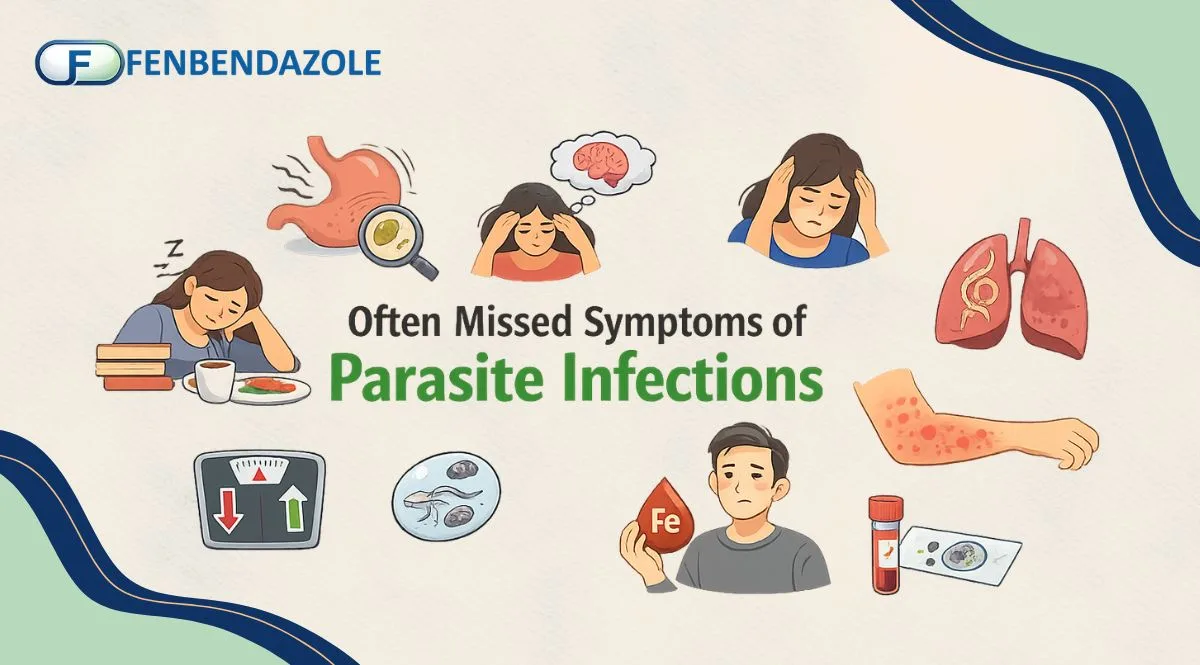
Parasite infection actually occur a lot more frequently than most people think. Some parasites are more obvious due to digestive symptom complaints, but some develop slowly with mild symptoms that are much more vague. Stress, food intolerances, allergies, and other medical complaints can all contribute to the misdiagnosing of these infections, which may go undiagnosed for months due to the symptoms that are combined with other health problems.
According to the World Health Organization (WHO), soil-transmitted intestinal worms are some of the most common parasites in the world and infect more than 1.5 billion people worldwide. During the early stages of these infections, many are often asymptomatic and go undiagnosed.
This guide will help you identify some of the most commonly overlooked symptoms of parasitic infections and help you understand when to seek medical help as well as the methods used to diagnose these infections.
Why Are Parasite Symptoms Often Missed?
Parasite symptoms are often overlooked as many intestinal parasites are designed to live in a host and not cause illness for a sustained period of time. Symptoms of many of these slowly developing infections combine to create a mild and vague set of digestive and health complaints.
There are many reasons parasite infections are overlooked, including but not limited to the following:.
- Symptoms often resemble irritable bowel syndrome (IBS)
- The busy lifestyle excuse (fatigue)
- An array of arbitrary nutrient deficiencies
- Skin problems are often misdiagnosed as allergies
- Mild infections may produce no symptoms at all
The CDC notes several parasitic infections can go without notice until prolonged complications arise.
Unrelenting Fatigue
Losing energy, as always, has to be the most frequently and easily ignored symptoms.
Some intestinal parasites affect the absorption of nutrients and cause chronic blood loss which decreases levels of iron, vitamin B12, and other nutrients that participate in the synthesis of energy.
You may see the following:
- Persistent low energy
- Difficulty maintaining concentration
- Fatigue despite sufficient sleep
- Reduced exercise tolerance
Frequent Digestive Issues
Though digestive issues are common, they are frequently dismissed as food intolerances or dyspepsia.
Some signs are:
- Bloating
- Gas
- Cramps
- Nausea
- Diarrhea
- Constipation
- Diarrhea and constipation can alternate.
Severe diarrhea is not a symptom of all parasites. Some infections can cause mild digestive issues that are intermittent.
Unexplained Changes in Weight
Parasites can also cause changes in weight due to their ability to interfere with the absorption of nutrients, which may result in:
- Gradual weight loss
- Difficulty maintaining weight
- Poor appetite
Weight gain may occur in some due to the inflammation and altered appetite.
Iron Deficiency or Anemia
Hookworms and many other intestinal parasites feed on blood.
According to the WHO, hookworm infections cause chronic blood loss resulting in iron-deficiency anemia, especially in women and children.
Some of the symptoms are:
- Pale skin
- Shortness of breath
- Dizziness
- Weakness
- Cold hands and feet
Skin Issues
Some parasites can cause allergic reactions or inflammation that affect the skin.
Some possible skin symptoms are:
- Rashes that are itchy
- Hives
- Eczema-like symptoms
- Unexplained redness
- Recurring skin inflammation
Digestive complaints and skin irritation alone are not indicative of a parasitic infection.
Itching of the Anus
Itching of the anus, especially at night, is a classic symptom of a pinworm infection.
The larvae of female pinworms cause extreme itching by laying eggs around the anus during sleep.
Infections occur most commonly in children, but adults can be infected as well.
Nutritional Deficiencies
Parasitic infections can lead to deficiencies by decreasing the body’s ability to absorb key nutrients.
Deficiencies can occur for:
- Iron
- Vitamin B12
- Folate
- Vitamin A
- Protein
Deficiencies can lead to illness from infections due to a weakened immune system, including an increased risk of infections.
Brain Fog and Poor Concentrating
Prolonged illnesses may lead to an inability to concentrate.
Though parasitic infections are not the only cause of prolonged brain fog, chronic inflammation and sleep deprivation may cause prolonged brain fog as well.
Muscle Weakness
Parasitic infections can cause electrolyte and nutrition imbalances.
Symptoms include:
- Muscle aches
- Weakness
- Discomfort
- Poor physical performance
All of the above symptoms can be caused by other illnesses as well and, therefore, warrant a medical evaluation.
Continual Cough
Roundworms and multiple parasitic infections migrate to the lungs as a part of their life cycle.
This can cause temporary breathing symptoms such as:
- Dry cough
- Wheezing
- Chest discomfort
These will most often occur first, before the symptoms related to the intestines.
Who Is Most at Risk?
Everyone is at risk for parasitic infections, but the risk becomes greater for people who:
- travel to areas with poor sanitation
- drink untreated water
- eat undercooked meat/seafood
- eat contaminated fruits/vegetables
- walk barefoot on contaminated soil
- have contact with infected people/animals
According to the CDC, most parasites have specific organisms but can also be found in food, water, animals, insects, soil, and can spread to other people.
When Should You See a Healthcare Provider?
The following symptoms warrant a visit to your healthcare provider:
- ongoing diarrhea for multiple days
- blood in your stool
- ongoing abdominal pain
- unexplained weight loss
- severe fatigue
- chronic anemia
- international travel-associated symptoms
- fever in conjunction with digestive symptoms
Early diagnosis is crucial to finding the cause of the symptoms and helping you to get better.
How Are Parasite Infections Diagnosed?
Diagnosis is based on your symptoms and the parasite in question. Your healthcare provider may recommend the following:
|
Test |
Purpose |
|
Stool ova and parasite (O&P) examination |
Detects parasite eggs or organisms |
|
Stool PCR testing |
Identifies parasite DNA |
|
Blood tests |
Detect inflammation or certain parasites |
|
Imaging tests |
Used when parasites affect organs outside the intestine |
|
Endoscopy or colonoscopy |
Occasionally used in complex cases |
According to the CDC, some parasites may only be seen in a stool sample if multiple samples are collected on different days.
Can Parasite Infections Be Prevented?
Yes, they can be somewhat of a concern. Here are some things you can do to help prevent them:
- Wash your hands before eating with soap.
- Drink treated, safe water.
- Wash fruits and vegetables.
- Fully cook your meat and seafood.
- Wear shoes when you go outdoors.
Clean yourself after you deal with your pets.
Conclusion
Infection caused by parasites usually do not stem severe or acute symptoms. In fact, fatigue, tummy cramps, iron deficiency and skin rashes in addition to impaired focus are often mistaken for other health issues. Identifying these symptoms provides motivation for people to seek timely medical care and to get the correct health tests.
Hundreds of millions of people all around the globe are afflicted by parasitic infections. Most of these infections can be treated once the proper diagnosis is given. If you have annoying symptoms and no evident cause, especially considering your travel and eating history as well as your exposure to different environments and situations, you should be open about the risk of parasites to the healthcare professional that you trust.
9 Jul, 2026 | Buy Fenbendazole | No Comments
Panacur Dosing Charts for Dogs, Cats, Puppies and Kittens

Panacur’s active ingredient is fenbendazole. It is considered a broad-spectrum dewormer as it can treat a wide array of worms. Panacur can treat not only intestinal worms but also Giardia and lungworm. Panacur Dosing comes in three forms: liquid, paste, and granule. With these options, your veterinarian can choose the best product based on your pet’s age, weight, and health status.
The following is a reference for the Panacur formulations and their dosing.
Panacur Liquid (10% Oral Suspension)
Panacur Liquid is a 10% oral suspension and comes as a liquid for dosing convenience. Because of this, Panacur Liquid is great for dosing adult dogs and cats, as well as puppies and kittens.
|
Animal |
Dose |
Treatment Schedule |
|
Adult Dogs |
1 syringe graduation per 0.5 kg |
Routine treatment |
|
Adult Cats |
1 syringe graduation per 0.5 kg |
Routine treatment |
|
Puppies |
1 syringe graduation per kg |
Daily for 3 consecutive days |
|
Kittens |
1 syringe graduation per kg |
Daily for 3 consecutive days |
|
Recommended Puppy/Kitten Treatment |
— |
At 2, 5, 8 & 12 weeks of age |
|
Syringe Capacity |
One syringe |
Treats up to 6 kg over a 3-day course |
Panacur Paste
Panacur Paste is suitable for smaller dogs and cats, and for those pets that find it difficult to be given treatment in a tablet form. Each syringe can treat up to 9 kg of bodyweight. There are 18 graduations on each syringe.
|
Animal |
Dose |
Treatment Schedule |
|
Adult Dogs |
1 syringe graduation per 0.5 kg |
Routine treatment |
|
Adult Cats |
1 syringe graduation per 0.5 kg |
Routine treatment |
|
Puppies |
1 syringe graduation per kg |
Daily for 3 consecutive days |
|
Kittens |
1 syringe graduation per kg |
Daily for 3 consecutive days |
|
Recommended Puppy/Kitten Treatment |
— |
At 2, 5, 8 & 12 weeks of age |
|
Syringe Capacity |
One syringe |
Treats up to 6 kg over a 3-day course |
Coverage per syringe: One syringe treats up to 6 kg of body weight of puppy or kitten for a 3-day course
Panacur Granules (22% Fenbendazole)
Panacur Granules are suitable for adult dogs, adult cats, puppies and kittens. The granules are mixed with food. Many different sizes of sachets are available.
|
Sachet Size |
Body Weight Covered |
Dose |
|
1 g Sachet |
Up to 2 kg (4.4 lb) |
Single dose |
|
1.8 g Sachet |
Up to 4 kg (8.8 lb) |
Single dose |
|
4.5 g Sachet |
Up to 10 kg (22 lb) |
Single dose |
Routine dose: 100 mg fenbendazole per kg body weight given as a single dose
Sachets should be used in combination to best match body weight for dogs over 10 kg.
Example: a 9 kg dog can receive:
- One 4.5 g sachet Or
- One 1 g sachet plus two 1.8 g sachets
Granules must be mixed well in food to be administered.
Deworming is recommended to be done 2-4 times a year, while dogs in a kennel or other higher parasite exposure environments may be done more often.
Weaned Puppies and Kittens (Under 6 Months) Panacur Dosing
Young animals generally need a 3-day treatment course.
Granule Sachet Body Weight Covered (3 Day Course)
|
Sachet Size |
Body Weight Covered |
Treatment |
|
1 g Sachet |
Up to 4 kg |
Daily for 3 days |
|
1.8 g Sachet |
Up to 8 kg |
Daily for 3 days |
|
4.5 g Sachet |
Up to 20 kg |
Daily for 3 days |
The recommended dosing is 50 mg fenbendazole per kg body weight for 3 consecutive days.
Small or unweaned puppies/kittens are easier to treat with Panacur Liquid or Panacur Paste.
Panacur is frequently administered to puppies at:
- 2 weeks
- 5 weeks
- 8 weeks
- 12 weeks
After the above, frequency of treatment is at the veterinarian’s discretion.
Pregnant Dogs
Fenbendazole is commonly prescribed in the last trimester of pregnancy to minimize the risk of transmitting parasites to the puppies.
|
Sachet Size |
Body Weight Covered |
|
1 g Sachet |
8 kg |
|
1.8 g Sachet |
16 kg |
|
4.5 g Sachet |
40 kg |
The recommended dosing is 25 mg fenbendazole per kg body weight daily from the 40th day of pregnancy to 2 days post-whelping (about 25 days).
Puppies born to mothers who received treatment still require their regular deworming.
Panacur for Pregnant Cats
Pregnant cats only really need the standard adult treatment.
|
Dose |
Treatment |
|
100 mg fenbendazole per kg |
Single routine dosing |
Increased Dosing for Specific Infections
Some infections require extended or repeated treatments.
|
Condition |
Recommended dosing |
Duration |
|
Clinical Worm Infestations |
50 mg/kg |
3 days |
|
Giardia (Dogs) |
50 mg/kg |
3 days |
|
Lungworm (Oslerus/Filaroides osleri) in Dogs |
50 mg/kg |
7 days |
|
Lungworm (Aelurostrongylus abstrusus) in Cats |
50 mg/kg |
3 days |
Conclusion
When looking for a fenbendazole dewormer with a good reputation, Panacur comes in liquid, paste, and granule formulations for cats and dogs, and kittens and puppies. Not only do you have to consider the type of parasite, but you also have to consider your pet’s age, his/her pregnancy status, and his/her body weight when deciding the appropriate formulation and dosage. When using Panacur, the body weight of your pet has to be measured accurately and the veterinarian’s recommendations should always be followed, or the product instructions should be adhered to.

Fenbendazole is a benzimidazole antiparasitic that is helpful for many intestinal parasites and has a good safety record in the near three decades of use in veterinary medicine. Laboratory research and personal testimonials have create a buzz about fenbendazole’s possible antineoplastic properties and led to a spike in internet search for fenbendazole to find off-label indications. These uses of fenbendazole are experimental and are neither safe nor legal for human use.
What Is Fenbendazole?
Fenbendazole undergoes biotransformation and selectively targets the parasite’s ability to absorb nutrients and actively participate in cellular metabolism and is thus helpful in many intestinal parasites. Its great safety record has prompte its widespread and almost three decades of use in veterinary medicine.
Approved Uses of Fenbendazole
Fenbendazole has gain the approval of veterinary medicines boards to treat:
-
- Lungworms
-
- Certain tapeworms
-
- Hookworms
-
- Giardia (in Dogs)
-
- Roundworms
-
- Whipworms
It is frequently used in the treatment of dogs, cats, horses, cattle and even sheep and goats. The formulation and the species of the animal will dictate which of the above-listed parasites are treats
Off-Label Veterinary Uses
Fenbendazole is also prescribe for uncommon intestinal parasitic infections when there is adequate clinical evidence to support its use.
Examples are:
-
- Certain uncommon intestinal parasites
-
- Extended treatment protocols for difficult-to-clear infections
Although these are also called off-label uses, these are totally acceptable and legal use in veterinary medicine.
Experimental Human Interest
The use of fenbendazole in humans is purely experimental and unauthorized, but there has been some human use beyond the treatment of parasitic infections which has well documented in social media and online forums.
Cancer
Cancer is one of the most talk about experimental uses of fenbendazole.
Laboratory studies demonstrated that fenbendazole may interfere with microtubules in a manner that is similar to certain chemotherapy drugs. The potential effects of fenbendazole on cancer cells have also been studied.
The interest in fenbendazole is growing, in part, because of the Joe Tippens case. He has provided a unique opportunity to study the effects of an unconventional treatment that he described, which included fenbendazole, in conjunction with traditional treatments and supplements. While many have inspired by this case, this remains a unique example with no scientific basis. Personal case studies cannot expose the safety or efficacy of a treatment for an entire population.
A number of clinical researchers have an interest in the potential of benzimidazole compounds in cancer treatment. However, a significant number of studies on humans are necessary before this interest can be considered valid.
Other Experimental Uses
Some other investigational uses, related to the fenbendazole studies, include:
-
- Immune system modulation
-
- Inflammatory conditions
-
- Certain protozoal infections
These studies should not be viewed as confirmed therapeutic areas.
Is Fenbendazole Safe?
Fenbendazole, when used as describe by veterinarians, is tolerated well in animals. Side effects can include:
-
- Mild vomiting
-
- Diarrhea
-
- Temporary loss of appetite
-
- Lethargy
-
- Rarely may include allergic reactions
The safety of fenbendazole in humans has not studied because fenbendazole is manufactured for the veterinary market and have not gone through the lengthy approvals to market for use in humans as medicine.
Should Humans Take Fenbendazole?
The common medical advice stands. Don’t treat yourself. Don’t take veterinary medicine. For those considering unregulated treatments, know that discussing options with a healthcare provider is better practice. Avoid leaving scientifically supported treatment for alternatives that lack evidence.
Final Thoughts
Fenbendazole is an anthelmintic that is useful in treating parasitic infections in animals. Its uses only in approved contexts is extremely helpful. Fenbendazole is of growing curiosity for experimental uses and cancer research. In spite of lab research and the proliferation of anecdotal evidence, fenbendazole is neither proven nor safe in the attempt to treat cancer. Clinical research is required to explore fenbendazole’s use in off-label contexts for treatment of human illness. Until then, it should not be used on humans.