

Key Takeaways
- FBZ is a veterinary deworming medication with limited research on its impact on cancer cells.
- There is still a lack of significant clinical research on its use in humans.
- Fenbendazole is not FDA approved for use in cancer treatment.
- FBZ has possible interactions with other medications and can affect the liver.
What Is Fenbendazole?
Fenbendazole is an antiparasitic drug primarily used in veterinary medicine. Fenbendazole is an anthelmintic drug, designed to kill parasitic worms.
It is marketed under many veterinary brand names including Panacur and Safe-Guard. It is used by veterinarians to deworm and treat infections of intestinal parasites in dogs, cattle, horses, and goats.
Fenbendazole is used to treat:
- Roundworms
- Hookworms
- Whipworms
- Tapeworms
- Lungworms in livestock
Fenbendazole is a standard intestinal parasite deworming treatment in dogs. It is also use in cattle and goats for the control of parasitic infections in the digestive and respiratory systems.
Fenbendazole has gain attention for possible use in humans, but it is important to remember it is only design and approve for use in animals.
How Fenbendazole Works in the Body?
Fenbendazole works by targeting a protein within parasites called tubulin.
One of the cellular building blocks is tubulin, which builds microtubules. These are similar to the scaffolding of a building as they are the internal framework of a cell. Microtubules are also important for structures that are related to:
- The division of cells.
- Transport of materials in the cell.
- The shape and structure of the cell.
- The flow of the cell’s energy.
Fenbendazole work by sticking to tubulin and disrupts the internal structure of the parasite. Fenbendazole is similar to the parasite’s microtubules. Without functioning microtubules, parasites are unable to transport nutrients to facilitate its metabolism.
The parasite weakens and dies due to loss of energy.
It is similar to the pulls of a building being removed. After the internal structure collapses the system is unable to function.
How Healthy Cells Use Internal Structures?
The images below help explain how normal cells use microtubules as internal support systems for transporting nutrients and maintaining cell stability.
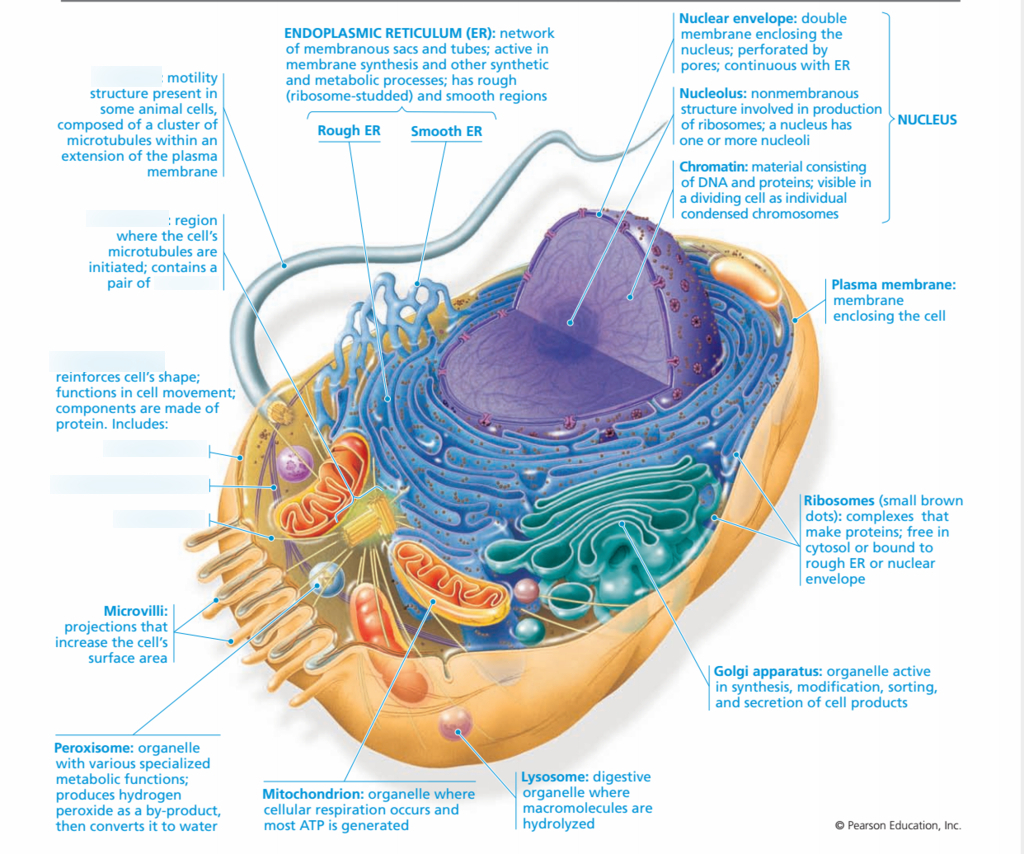
Healthy cells rely on these support structures to move energy and supplies throughout the cell efficiently.
How Fenbendazole Affects Parasites?
Fenbendazole disrupts these internal support systems. Once the microtubules break down, transport stops and the parasite loses its ability to survive.
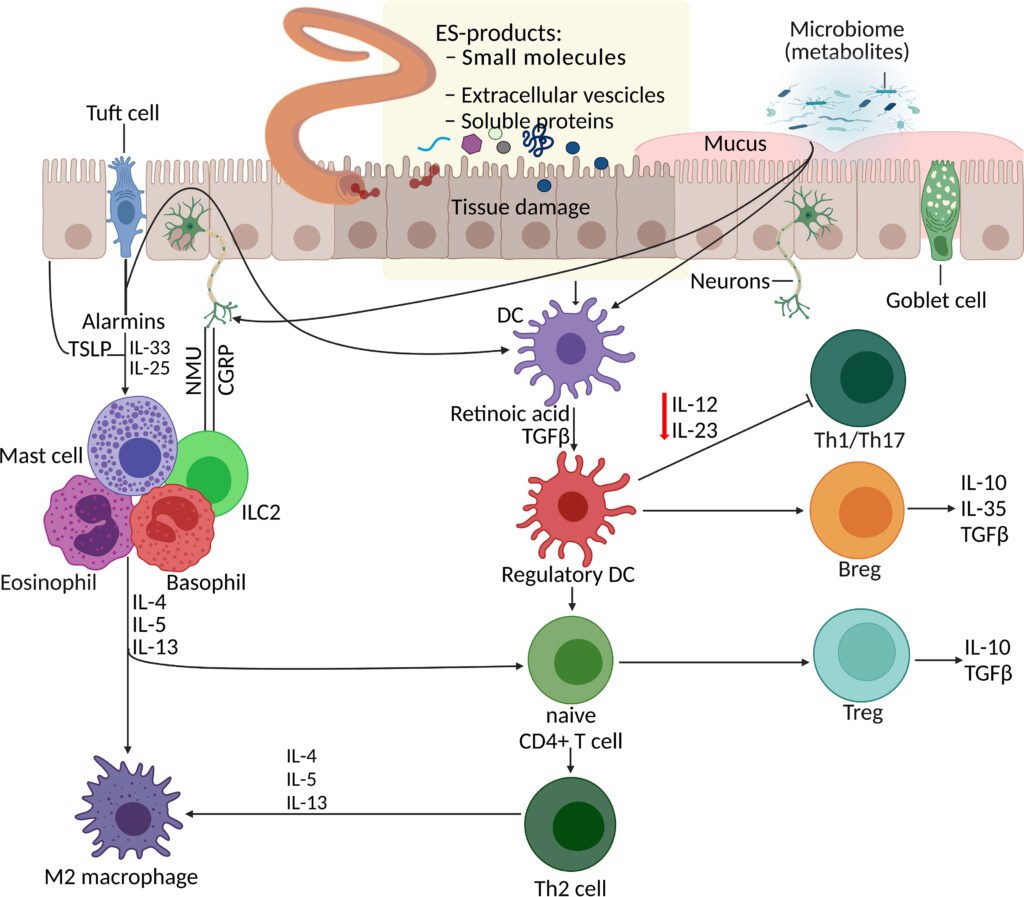
Researchers suspect this same mechanism may explain why Fenbendazole has attract attention in cancer research.
What Does Fenbendazole Do to Human Cells?
Scientists have begun to investigate whether Fenbendazole could effects on human cells that are similar to its effects on parasitic cells.
Changing the Structure of Cancer Cells
Microtubules are used by cancer cells to spread and divide. Some lab studies suggest Fenbendazole might dissolve this scaffold, allowing cancer cells to divide more easily.
Changes in Glucose Consumption
Cancer cells tend to consume glucose heavily. This has to do with a phenomenon call the Warburg Effect in which a sugar metabolism is favored by tumors for greater growth.
Early studies suggest Fenbendazole may cause a greater hinderance to a cancer cells’ energy source by affecting the means by which they process glucose.
Changes in p53 Activity
The human body has the p53 gene as a means of protecting the body from unregulated cell growth. This system, however, becomes ineffective in numerous cancers.
The effects of Fenbendazole on Glucose metabolism and the support of the p53 pathway promote research in this area. However, the research in this area is still limited.
Fenbendazole and Cancer Reserch
Fenbendazole has begun to spark some interest in metabolic cancer research.
Some researchers are trying to find out if targeting glucose in the cancer cells’ metabolism and affecting the cancer cell’s structure, may increase the sensitivity of cancer to other treatment modalities such as:
- Chemotherapy
- Radiation
- Immunotherapy
It is important to recognize how early this research is.
The Present State of Research
Currently, most of the research that derives evidence for Fenbendazole in cancer treatment comes from:
- Laboratory Studies
- Studies on Animals
- Small Case Studies
There have been no significant studies conducted with human beings. Due to the absence of these studies, there isn’t enough evidence to support the use of Fenbendazole for the treatment of cancer with the expectation of safety in humans.
Related Research on Mebendazole
Mebendazole is another type of antiparasitic medication examined in oncology research.
Unlike Fenbendazole, Mebendazole is safe to use for human parasitic infections. Preclinical studies have focus on its potential in:
- Glioblastoma
- Colon Cancer
- Melanoma
- Gastrointestinal cancers
Although precursory data indicates positive outcomes, researchers must conduct more studies in humans to generate relevant conclusions.
Is Fenbendazole Human Approved?
No. Fenbendazole is not human-approve by the FDA.
It is only authorized for veterinary use. There is no human dosing guideline, long-term safety monitoring protocol, or formal cancer protocol using Fenbendazole, raising safety concerns, as veterinary formulations are not design for human consumption.
Possible Risks and Safety Concerns
Practicing unsupervised Fenbendazole usage may lead to:
- Elevation of liver enzymes
- Adverse drug interactions
- Gastrointestinal discomfort
- Adverse reactions of unknown duration
Cumulative risk concerns when used in conjunction with chemotherapy or dietary supplements.
These factors reinforce the fact that people undergoing cancer should not employ self-treatment or self-management of cancer without professional healthcare supervision.
Why Clinical Oversight Matters?
In the absence of formal human-use approval, professional monitoring becomes especially relevant.
Healthcare professionals may aid in monitoring:
- Current medications
- Liver Health Assessment
- Possible medication interactions
- The overall safety of the therapeutic regimen
Some integrative oncology clinics also offer educational consultations about some emerging metabolic therapies although these therapies should not replace standard medical care.
Final Thoughts
Fenbendazole is, and likely will remain, primarily a veterinary antiparasitic medicine to treat worm infections in other species. Because of its ability to cause disruption of microtubules and interrupt cellular metabolism, it is a topic of interest for cancer research.
Initial lab findings indicate that there might be potential cellular anticancer mechanisms involving disruption of cell structures and modulation of glucose metabolism. However, evidence remains preclinical, and the investigation is still in its early stages and lacks extensive clinical trials on the human population.
At this level of research, Fenbendazole cannot classified as an approved anticancer drug in human medicine. It should not be ingested without prior medical consultation in order not to harm oneself.
Write Reviews
Leave a Comment
No Comments & Reviews