
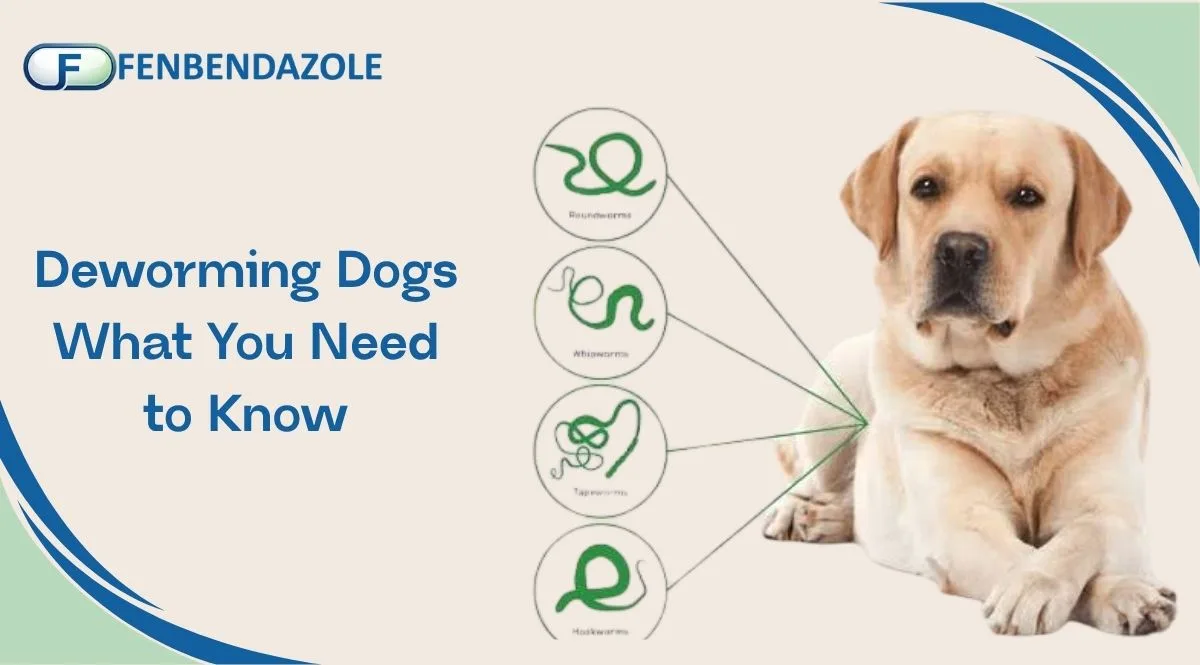
Deworming is an important part of routine dog care because intestinal parasites can affect dogs of all ages. Puppies are especially vulnerable, but adult dogs can also become infected through contaminated soil, feces, prey animals, fleas, or other environmental sources.
Many parasites are zoonotic and some cause no symptoms in your dog. By regularly testing your dog for parasites and utilizing a preventative treatment you can minimize parasites in your dog and the risk of reinfection.
Why Do Dogs Need Deworming?
There are many intestinal parasites. Some of these parasites include, but are not limited to, roundworms, hookworms, whipworms and tapeworms. Each of these parasites has the potential to be life threatening or debilitating to your dog. Many of these parasites can also be transmitted to humans.
Puppies are at risk for many parasitic infections. One of the most common parasitic infections is a roundworm infection. These parasites can be transmitted to the developing fetus by the mother. Infected puppies may exhibit a potbellied appearance and diarrhea. Hookworms attach to the intestine and can also cause blood loss and anemia.
Common Worms Found in Dogs
Roundworms
Roundworms are large and can be visible in the stool. Many puppies are infected at an early age. Older dogs can become infected by way of the mother. Infected puppies can have a poor condition and a potbellied appearance.
Hookworms
Hookworms can be found attached to the intestine. Infection can cause blood loss and anemia. Adult hookworms have a hook-like appearance. Infected dogs can be weak and have dark and tarry stools.
Whipworms
Whipworms are large worms that live in the dog’s colon. Puppies can become infected with these worms and, because of the high infective dose, can be chronically infected. These worms cause bloody diarrhea and result in weight loss. Because the whipworm egg is very hardy, it can survive in the environment and can be difficult to eradicate from the environment. Because of this, proper yard care and hygiene are important in controlling these worms.
Tapeworms
Many dog tapeworms are transmitted by ingesting fleas or small prey. Segments of the tapeworm can be seen in the dog’s feces or around the dog’s anus and are faint and often overlooked. Because the tapeworm is transmitted by an intermediate host, flea control is important to prevent reinfection.
Signs Your Dog May Have Worms
Dogs with intestinal parasites may show signs of:
- Diarrhea
- Vomiting
- Weight loss
- Poor growth and/or appetite in puppies
- Potbelly
They may also have a swollen abdomen and can have worms in their stool. Some heavy infections can cause weakness and pale gums.
These signs are not exclusive to parasitic infections and other causes need to be considered.
How Are Worm Infections Diagnosed?
Fecal flotation is the simplest and most common way to check for intestinal parasites. Other ways to test for parasites include the use of antigen tests, PCR, or other complex tests.
According to the Merck Veterinary Manual, parasites may be shed irregularly, and one negative test does not rule out an infection.
The Companion Animal Parasite Council (CAPC) suggests annual fecal examinations for adult dogs and at least four for the first year of a puppy’s life. CAPC suggests increasing or decreasing the frequency of testing for adult dogs based on several factors including the dog’s health, lifestyle, and travel.
When Should Puppies Be Dewormed?
Intestinal parasites for puppies are more prevalent than adult dogs. The CAPC suggests giving anthelmintic (worm) treatments for Ascaris at or about 2 weeks of age, and repeating treatments every 2 weeks until regular (not Ascaris) parasite treatments are started.
There are many factors to determine the exact timing and treatment for parasite prevention in a puppy. It is suggested that puppies showing signs of illness (diarrhea, weakness, poor growth) be evaluated, and parasite prevention treatments be given only if recommended by your veterinarian.
What Medicines Are Used?
A variety of antiparasitic drugs are available for use in the dog for the treatment and/or control of intestinal parasites. The selection of the drug is based on the parasite being treated, the age and size of the dog, and the owners’ preferences.
Fenbendazole is one of several drugs used in the treatment and control of intestinal parasites of the dog. Fenbendazole is effective against several species of round and service worms of the dog as well as certain species of hook and whip worms.
For parasites not covered by fenbendazole, other drugs may be given to effect a parasiticidal action. Veterinarians base their treatment decisions on the parasite(s) affecting the dog.
Deworming Is Different From Heartworm Prevention
Heartworms and Intestinal worms are completely separate parasites. Therefore, they must be considered as completely different conditions and treated accordingly.
Heartworms are transmitted through the bites of mosquitoes and affect the heart, lung and vascular systems. The FDA states that the preventives for heartworms are available for dogs and some preventives provide protection from intestinal parasites. Because of this, the parasite control program for a dog may include protection from heartworms and intestinal parasites.
How Can You Prevent Reinfection?
Preventative treatment is only one way to help with parasite control. The elimination of parasites in the environment is vital as well. Properly dispose of feces and do not allow your dog to eat feces. You should also avoid your dog coming in contact with rodents. Prevention of heartworms and fleas can help with tapeworms.
If your dog does not leave the house, he or she could have less of a risk for parasites compared to a dog that visits different places and comes in contact with various animals.
When Should You Contact a Veterinarian?
In the case of diarrhea and/or vomiting, veterinary evaluation is necessary if symptoms persist beyond a few days, result in weight loss, lead to weakness, or if the dog has pale gums and/or diarrhea with blood.
Puppies and dogs with other health issues may become seriously ill due to the effect of parasites. Identification of these parasites may prevent the use of unnecessary or ineffective treatment.
Final Words
Deworming dogs is a part of routine pet care. However, It is necessary to do more than to give a dewormer based on the presence of intestinal parasites. Routine testing of the environment and the dog, as well as veterinary consultation and treatment, are also a part of routine care.
One of the medications that is used for this purpose is fenbendazole. Identification of the parasite is very important to prescribe the right medication for the dog.
Write Reviews
Leave a Comment
No Comments & Reviews