
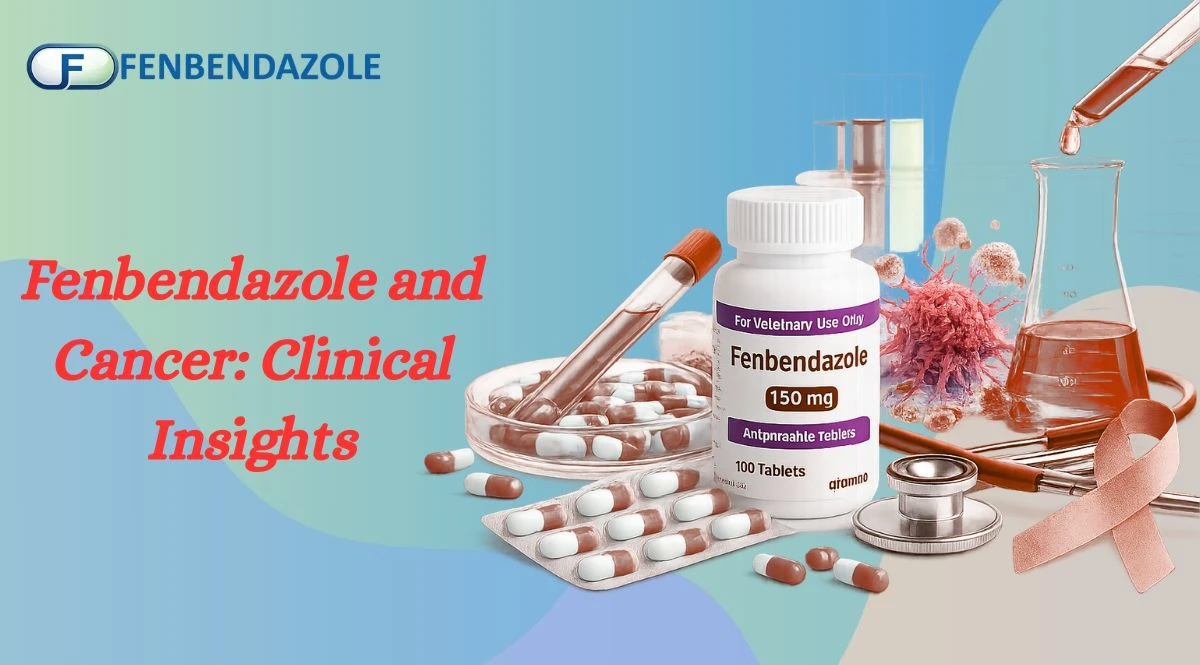
Fenbendazole is widely used in veterinary medicine as an antiparasitic drug, but it has now been brought into the spotlight of potential cancer research. Over the past several years, there has been more discussion surrounding Fenbendazole and Cancer. This is due to preliminary studies, stories from the public, and a rise in online popularity. Although it remains a veterinary medicine, researchers are curious about the possible anti-cancer properties and the mechanisms behind them.
Interest in fenbendazole skyrocketed when cancer patients reported positive experiences when combining the drug with traditional cancer treatments. This prompted more research to see how fenbendazole can interact with cancer and possibly provide supportive treatment options in the future.
What is Fenbendazole?
Fenbendazole is an antiparasitic drug and a member of the benzimidazole class. It has been approved for the use in treating parasitic infection in animals in the 1970s and has been used to treat roundworms, hookworms, whip-worms, and tapeworms.
As a microtubule disruptor, it is used to treat parasitic infections. Microtubules are part of the cytoskeleton used for cellular structure and are very important during the process of cell division. Cancer cells use microtubules as well to facilitate their growth and spread, and that is the reason why fenbendazole is being studied in cancer research.
Why Is Fenbendazole Being Studied for Cancer?
Preclinical studies have shown that Fenbendazole has the potential to impact multiple cancer-associated pathways. In the lab, it’s been shown that Fenbendazole may:
- Prevent the mitosis of cancer cells
- Block the consumption of glucose by tumors
- Cause apoptosis to occur in cancer cells
- Modify the structure of microtubules
- Inhibit the growth of tumors in vivo
Some of the preliminary information available is that Fenbendazole may kill cancer cells while protecting normal cells. The bulk of the evidence, however, is in the realm of basic science and animal work.
Clinical Insights Into Fenbendazole and Cancer
Fenbendazole has not been approved by the FDA to treat cancer in humans. There are no published, large, randomized controlled trials demonstrating that it can neared or treat cancer. A number of clinical reports and experimental studies have provided the basis for interest in the field.
Laboratory Research
Based on the available data from preclinical studies, Fenbendazole may slow the progression of the following cancers:
- Lung cancer
- Breast cancer
- Colorectal cancer
- Glioblastoma
- Prostate cancer
- Pancreatic cancer
Preliminary studies have shown Fenbendazole may have an impact on cancer metabolism by decreasing the glucose uptake within tumors. Since cancer cells have an increased need for energy to proliferate, that may increase the death of the cells.
Popular Fenbendazole and Cancer Protocols
Fenbendazole has gained popularity among the cancer community, especially in the alternative therapies realm. These therapies are considered experimental and should not be substituted for evidence-based medical care.
The Joe Tippens Protocol
The Joe Tippens Protocol is one of the most popular Fenbendazole protocols found on the internet. It includes:
- Fenbendazole
- Curcumin
- CBD oil
- Vitamin E
Most of the Joe Tippens followers will take Fenbendazole for three days on and four days off for a week.
Daily Fenbendazole Protocol
Some people are more comfortable using a lower dosing system on a daily basis. This protocol can include:
- Daily Fenbendazole
- Immune-supporting supplements
- Proper nutrition
- Hydration
The intention is to keep exposure stable while reducing the potential for side effects.
Fenbendazole With Curcumin Protocol
Curcumin is the natural compound found in turmeric. Its antioxidant and anti-inflammatory characteristics make it a desirable supplement to pair with Fenbendazole.
This protocol can include:
- Fenbendazole
- Curcumin
- Healthier diet changes
- Reduced sugar
This protocol is designed to reduce the stress response that cells can experience and is improved with curcumin.
Fenbendazole and Vitamin Protocol
It is common for users to add Fenbendazole to a mix that includes vitamins and other supplements, such as:
- Vitamin D
- Vitamin C
- Zinc
- Omega 3s
The purpose of this is to provide overall support for the immune system during the course of the treatment.
Rotational Antiparasitic Protocol
This is an alternative method that uses rotating several antiparasitic agents throughout the weeks, such as:
- Fenbendazole
- Ivermectin
- Mebendazole
The supporters of this method think that targeting different pathways in the biological system can be achieved by rotating the compounds, but there is not a lot of scientific evidence to support this.
Metabolic Support Protocol
This protocol includes Fenbendazole and the combination of lifestyle and dietary changes that are aimed to support metabolic health.
Common components are:
- Lower sugar diets
- Intermittent fasting
- Exercise
- Food high in antioxidants
This can help to reduce the inflammation and improve the function of the body as a whole.
Potential Risks and Side Effects
Fenbendazole is relatively safe for animals, but unknown long-term effects are uncertain when used for humans. There are reports of mild to moderate side effects for some users.
Side Effects Reported:
- Nausea
- Diarrhea
- Extreme fatigue
- Stomach pain
- Altered liver enzyme levels
- Allergies
- Headaches
Because of the absence of administration or dosing guidelines, the risk of self-targeted treatment increases.
Safety Precautions to Consider
Below are several factors related to using Fenbendazole to treat cancer:
- Not FDA-approved to treat cancer
- Limited human clinical trials
- Quality of animal centric drugs is uncertain
- Drug may interact with others
- Dosing may cause health hazard
Consulting a qualified healthcare professional is necessary before using any unapproved treatment.
Conclusion
Fenbendazole in combination with cancer has been an area of focus for many. Laboratory-based research has shown Fenbendazole to affect cancer cells through a myriad of mechanisms, yet human-based research on this remains limited.
Different approaches to the use of Fenbendazole, including the use of supplements, Joe Tippens Protocol, and other approaches, have gained popularity on the internet, but they should not be considered a substitute for proven cancer treatments.
Those interested in the use of Fenbendazole should first consult a qualified healthcare professional for advise on the use, risks and safety of Fenbendazole.
Write Reviews
Leave a Comment
No Comments & Reviews