
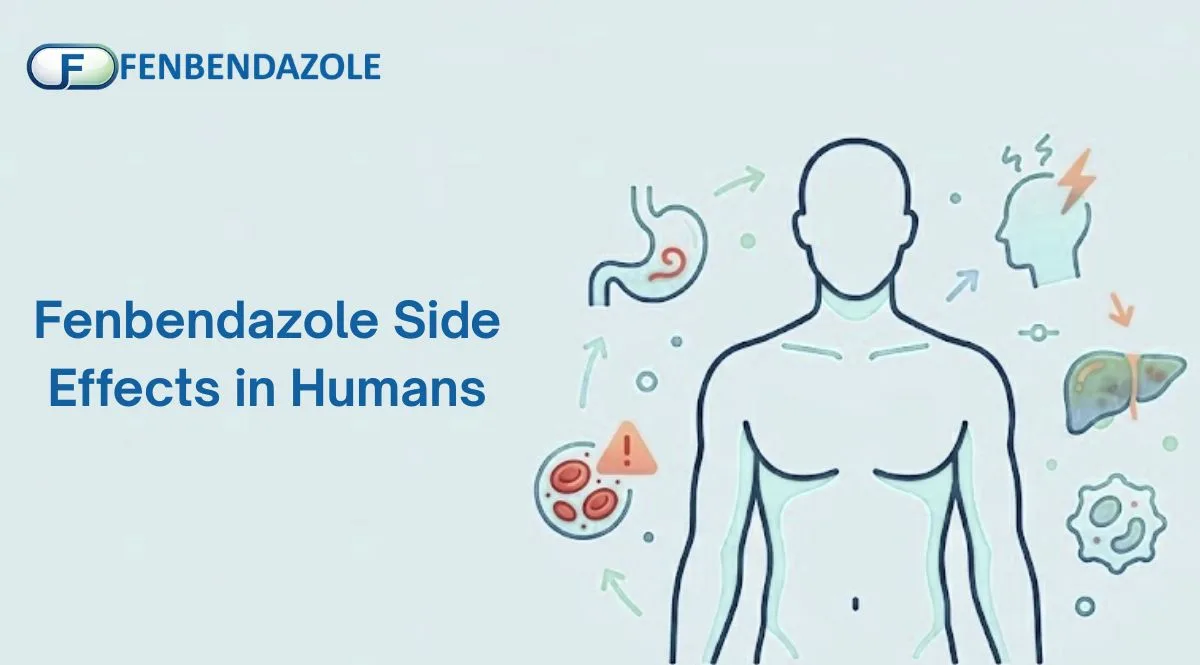
Interest online in fenbendazole has increased, but in the U.S fenbendazole is not approved for human use. Most of the information available on its safety comes from veterinary use, unintentional human exposure to poisons, Fenbendazole Side Effects and a few case reports. Because of this, there is no reliable human safety data on fenbendazole like there is for human use antiparasitic drugs.
Key takeaways
- Fenbendazole does not have the approval of the FDA, and there is no data on the safety of fenbendazole for humans.
- The effects on humans that have been documented include headaches, nausea, abdominal pain, diarrhea and vomiting. There have also been reports of febendazole causing dizziness and skin irritation.
- A few case reports have documented serious liver damage after self prescribing fenbendazole. These reports contribute to the body of evidence that shows the risk of taking fenbendazole could lead to hospitalization.
- Since fenbendazole is an animal product, the standards for dosing, purity, and manufacturing may differ from medications that are proven safe for human consumption.
- If someone begins to exhibit jaundice, begin to pass dark urine, and/or experience severe abdominal pain and vomiting, and confusion, and takes fenbendazole, they should seek an evaluation from a medical professional immediately.
Commonly reported symptoms in humans
Accidental or off-label exposures of humans from poison-center reports, case studies, and pharmacology details, showed the following symptoms most frequently:
|
Symptom category |
Examples |
|
Digestive |
Nausea, vomiting, abdominal pain, diarrhea, bloating, loss of appetite |
|
Neurologic |
Headache, dizziness, fatigue, malaise |
|
Skin |
Rash, itching, hives (less commonly reported) |
|
General |
Feeling unwell, weakness |
Because of the nonspecific nature of these symptoms, there can be many illnesses or medications associated with them. No large controlled studies have been conducted to establish the frequency of these symptoms occurring in human subjects and the use of fenbendazole.
Liver-related Fenbendazole Side Effects: the most concerning signal
The strongest concern that has been documented is related to drug-induced liver injury (DILI).
Reports on the self-use of fenbendazole show a significant elevation of the liver enzymes, and the clinical signs of liver injury and jaundice occurred. In some of these reports, the liver injury was reversed after stopping the drug, but in some cases it was necessary to be hospitalized. Authors of the studies report that fenbendazole should be considered to be a potential hepatotoxicity if other causes have been ruled out.
Signs that indicate liver damage
- Jaundice (yellowing of the skin and eyes)
- Dark urine
- Light colored (pale) stool
- Nausea and vomiting
- Pain in the abdomen (right upper)
Extreme fatigue, confusion, easy bruising and bleeding that are not normal
All of these symptoms should be evaluated by a physician as soon as possible.
Why human safety is hard to determine?
Fenbendazole is not an approved drug for humans in the U.S., therefore, there are no known human applications for dosage, or monitoring or safety studies. Fenbendazole is a drug approved for veterinary use. Therefore, there is not a large safety study database similar to the approved human drugs.
Animal formulations and human medications are very different. Medications for animals can be different in concentration, excipients, the standards in manufacturing, and quality controls. They can even be different in packaging. Even if medications for animals and humans have the same active ingredient, they can still be very different.
Self-medication and animal experiments have both been reported on. Case reports that have been published have described people taking fenbendazole by themselves, usually with supplements or other medication, which makes determining the cause more difficult.
Potential interactions and higher-risk situations
Signed interaction studies in humans do not exist, but extreme caution is warranted if the person has the following:
- Liver disease
- History of heavy alcohol use
- Uses other medications that can damage the liver (some antifungals some antibiotics, overly excessive use of acetaminophen and other medications that can overstress the liver)
- Pregnant or breastfeeding (insufficient studies on safety in humans)
- Significant chronic illness that requires them to be on a lot of medications
Since fenbendazole has not been approved for human consumption, doctors cannot assume a safe standard for dosing or the risk related to taking fenbendazole.
What to do if someone has taken fenbendazole?
Self-treatment needs to be stopped and a health care professional needs to be consulted. This is especially the case if fenbendazole is taken for a non-approved indication.
Seek medical help if the following occur:
- Jaundice, dark urine, significant abdominal pain, and vomiting
- Confusion, fainting, and difficulty breathing, in addition to severe allergic symptoms and significant dehydration or bleeding
- Poison control may help. The Poison Control center may be of help and is reached in the U.S. at (1-800-222-1222).
Taking a photo of the label or bringing the package helps clinicians with identifying the formulation and concentration.
Bottom Line
The case reports of clinically significant hepatotoxicity following self-administration of fenbendazole provide the best evidence of fenbendazole’s human safety concern, which is liver injury. Other reported adverse events include gastrointestinal upset, headache, dizziness, and rash. The incidence of these events is unknown, owing to the lack of comprehensive human clinical trials for fenbendazole.
Rather than risk liver injury or other potential adverse events, individuals considering fenbendazole for any condition should discuss safe, evidence-based treatment options with a licensed medical practitioner instead of self-medicating with an animal use product.

Fenbendazole is an antiparasitic medication that works well on many parasites, and is mainly used to treat intestinal worms. Those who are new to this treatment often wonder, “How long does Fenbendazole take to work?”. This does not have an exact answer, as the time takes to work depends on the specific type of parasite, the severity of the infection, how accurate your dosage is, and many health factors that are specific to the individual.
Fenbendazole is known to begin working on parasites soon after being taken, however, even the most effective treatments can take days or weeks for noticeable difference in symptoms. Having this knowledge can help you have the appropriate outlook for your treatment.
How Does Fenbendazole Work?
Fenbendazole is a member of the benzimidazole class of antiparasitic medications. It prevents a parasite from absorbing glucose, which is an important and central energy food.
With a lack of energy, parasites become weak, and lose the ability to survive and then die. The body eliminates these parasites through the normal digestive and bowel processes.
The gradual nature of this process means that patients taking the medication should not expect to achieve instant results.
How Quickly Does Fenbendazole Start Working?
Fenbendazole starts to work in the body a few hours after the first dose. It does, however, take some time to disrupt the parasites metabolism and completely eliminate the infestation.
General Timeline
|
Time Frame |
What Happens |
|
Within 24 hours |
Fenbendazole begins interfering with parasite energy production |
|
2–5 days |
Parasites become weakened and start dying |
|
1–2 weeks |
Many symptoms begin improving |
|
Several weeks |
Complete clearance may occur depending on infection severity |
This varies depending on the parasite and the response of the individual to the treatment.
How Long Does Fenbendazole Take to Work for Different Worms?
Parasites can have differing responses and sensitivity to Fenbendazole.
Roundworms
Fenbendazole is used to treat many cases of roundworm intestinal infections.
Generally, infections begin to respond after a few days of treatment. It is common to see improvement in symptoms including diminished bloating, discomfort, and digestive issues within 1-2 weeks.
Hookworms
Hookworms latch to the intestinal lining and feed off of the host’s blood. Fenbendazole works well at eradicating these parasites.
Fenbendazole begins to act on the hookworms within a few days of treatment but may take weeks to completely alleviate symptoms of weakness and fatigue due to blood loss and the body’s recovery and rebuilding of iron stores.
Whipworms
Whipworms are a more difficult parasite to completely eradicate. Usually several days of treatment are required, and noticeable improvement in symptoms may take 1-3 weeks.
Certain Tapeworm Species
Fenbendazole can be effective on some species of tapeworms, but is not usually the most optimal choice.
Outcome is variable, and in certain cases, a combination of treatments may be recommended.
Factors That Affect How Fast Fenbendazole Works
Treatment efficacy can be variable depending on several factors.
- Certain parasites are more difficult to treat. A mixed whipworm infection may require longer treatment compared to a roundworm infection.
- Heavy infestations tend to take longer to clear.
- Typically, Fenbendazole is used for 3-5 consecutive days. Completing the treatment is imperative to ensure maximum efficacy.
- Recovery may depend on numerous factors, including the immune system, the health of the digestive system, and other existing health conditions.
- The proper dose is important. If the dose is too low, the parasites may not be eliminated and the risk of failing the treatment may increase.
Signs That Fenbendazole Is Working
Many people wonder how they can know that the treatment is successful.
Such signs may include:
- Less abdominal pain
- Less bloating
- Better digestion
- Improved appetite
- Increased energy
- More regular bowel movements
Some people may notice that they are eliminating dead parasites in their stool, but this does not happen to everyone.
Fast Fact: It is possible that Fenbendazole may begin to kill parasites in days, but it is possible that it may take longer to fully relieve symptoms since the body must take time to recover from the infection.
What If Symptoms Do Not Improve?
If treatment is performed and symptoms still exist, it may be due to one of these reasons:
- A more severe infection
- Reinfection
- Another parasite may be present
- More treatment is needed
- The diagnosis may need to be confirmed through other laboratory testing
Health care providers often recommend stool testing as a follow-up to verify that parasites have been eliminated.
Safety Considerations During Treatment
Fenbendazole is safe when used as directed, but it may have mild, negative side effects.
Potential side effects are:
- Nausea
- Diarrhea
- Abdominal discomfort
- Headache
- Fatigue
- Loss of appetite (temporary)
Side effects are mild and often resolve as treatment continues.
When to Seek Medical Attention
Health care should be sought for:
- Severe stomach pain
- Persistent vomiting
- Allergic reactions
- Rash
- Difficulty breathing
A fast assessment help to ensure that treatment is safe.
Tips to Support Recovery
Travelling from a parasite infection can be a long hard process. Fenbendazole will help, but there are other means to support recovery.
These include:
- Drinking more water
- Eating healthier
- Washing hands more thoroughly or more often
- Taking extra time to ensure fruits and vegetables are clean Continuing full length treatment of medication
- Going to all health check appointments
Ensuring good hygiene will also help lower the chance of a parasite infection happening again.
Final Thoughts
When using Fenbendazole, how long until you start seeing results? The process of Fenbendazole actively fighting parasites happens in the first 24 hours. For you, the user, to begin feeling better from your symptoms can take anywhere from a couple of days to two weeks. The total process of killing all the parasites can take longer and varies based on your personal health plus how bad the infection is. Some parasites take longer than others to fully remove from your system. While recovery is different for everyone and takes time, it is important to take the full length treatment as directed. This will facilitate the medication working as effectively as possible.

Like other deworming drugs, Fenbendazole treats infections caused by some intestinal parasites. Drug seekers and parasite treatment audiences often wonder, what worms does Fenbendazole kill? Also, is Fenbendazole safe for human?
Fenbendazole is a benzimidazole anthelmintic. It, first, blocks the intake of glucose, the primary energy source for parasites, which leaves them weak and die naturally fall off.
This article aims to provide information on the type of worms Fenbendazole treat, the mechanism of action, dosing, and any possible adverse effects, and precautionary measures to take.
Which Worms Can Fenbendazole Kill?
This parasitic infection medicine treats infections caused by many intestinal parasites, and is classified as a broad-spectrum dewormer.
Roundworms
Roundworms are among the few intestinal parasites that are common globally. They affect the digestive system by causing the following symptoms:
- Diarrhea
- Bloating
- Weight loss
- Nausea
- Stomach discomfort
Fenbendazole is also effective in eliminating roundworms from the digestive tract.
Hookworms
Unlike roundworms, hookworms feed on blood after attaching themselves to the intestinal walls. This causes the following effects:
- Weakness
- Fatigue
- Anemia
- Weight loss
- Hookworm infection can also be manifested in the formation of bloody stools.
It also treats all the developmental stages of hookworms, and when properly used, eliminates the infections.
Whipworms
Whipworms often produce mild symptoms that make their diagnosis difficult.
General Symptoms:
- Chronic diarrhea
- Dehydration
- Abdominal pain
- Intestinal inflammation
- Unexplained weight loss
Fenbendazole disrupts cellular systems of parasites causing death to the cellular system.
(Certain Species of) Tapeworms
It may also be effective against some species of Tapeworms.
However, it should be noted that it will not be useful in the treatment of all species of Tapeworms. In such cases, health care practitioners may suggest the combined use of other therapies such as Praziquantel.
Quick Fact: Because of the relatively low level of resistance, Fenbendazole is often the treatment of choice for Roundworms, Hookworms, and Whipworms.
Does Fenbendazole Treat Other Parasites?
|
Parasite |
Effectiveness |
Notes |
|
Giardia |
Moderate |
Sometimes used with combination therapy |
|
Lungworms |
Effective |
Mainly used in veterinary medicine |
|
Tapeworms |
Limited |
Effective against certain species only |
|
Threadworms |
Partial |
Works against some species |
|
Coccidia |
Ineffective |
Alternative treatments are preferred |
Further Analysis of Fenbendazole’s Activity Range
Fenbendazole is normally used for:
- Routine deworming
- Confirmed worm infestations
- Mixed parasitic infections
- Prevention of complications of parasites
Fenbendazole’s efficacy is based on:
- Parasite identity
- Infection severity
- Dosage
- Duration of treatment
- Patient’s overall health
How Does Fenbendazole Work?
It works by obstructing the glucose absorption of the parasites. Absorption of glucose gives energy to the worms for growth and reproduction. Without this, their normal metabolism ceases and they eventually die.
Fenbendazole is mostly popular since it mainly harms parasites while leaving most health cells unharmed.
Fenbendazole vs Praziquantel
|
Feature |
Fenbendazole |
Praziquantel |
|
Main Target |
Roundworms, Hookworms, Whipworms |
Tapeworms and Flukes |
|
Drug Class |
Benzimidazole |
Isoquinoline |
|
How It Works |
Blocks glucose absorption |
Paralyzes parasites |
|
Broad-Spectrum Use |
Yes |
Limited |
|
Giardia Activity |
Moderate |
Ineffective |
Fenbendazole is normally a better options for common worm infections, while Praziquantel is more usually prescribed for Tapeworm and Fluke infections. The right option should rely on the diagnosed parasite.
Fenbendazole Dosage and Administration
Fenbendazole is often used for a 3 to 5 day treatment. For the most effective treatment:
-Take the medication at the same time every day, and after meals.
-Swallow the medication whole using a full glass of water.
-Adhere to the prescribed treatment plan.
Doctors often use the following to determine functional treatment plan:
-Infection type and symptoms severity
- Patient age and weight
- Patient medical history and health status
Dosage may not be altered without consulting the prescribing doctor.
Side Effects and Safety
When used properly, Fenbendazole is typically safe and well tolerated. Some patients may experience some mild digestive symptoms.
Common Side Effects:
-Vomiting, Diarrhea, Tummy troubles, Low appetite, Fatigue
Safety Precautions
Fenbendazole should only be used if prescribed. During treatment, alcohol should be avoided and the prescribed dosage and treatment plan should not be exceeded. During treatment, the prescribing doctor should be notified of any existing Liver diseases, Blood diseases, or Immune diseases. During treatment, other dewormers should not be used.
Medical advice is recommended for fenbendazole use in pregnant and breastfeeding women. Its safety in people below 18 is not established.
⚠ Warning: The self-treatment and abuse of Fenbendazole is likely to multiply the side effects and treatment complications. Always consult a doctor.
When is it Appropriate to Use Fenbendazole?
It should only be used following the professional diagnosis of a parasitic infection.
Symptoms of a worm infection may include:
- Persistent diarrhea
- Frequent vomiting
- Unexplained loss of weight
- Worms passed in stools
- Discomfort in the abdomen
- In children, poor growth may be noted
Diagnosis and treatment of a parasitic infection may help to reduce the infection’s spread and its associated complications.
Summary
Fenbendazole is effective against several common intestinal worms. These include roundworms, hookworms, whipworms and some species of tapeworms. It may also be effective against some other parasites with more limited action.
Fenbendazole is effective in a natural die-off of worms through the disruption of the parasite’s energy. Although it is a broad-spectrum dewormer, it is important to get the right diagnosis with the right medical treatment.
The right dewormer at the right dose is extremely important to the recovery of the patient and to the prevention of future worm-related health concerns.
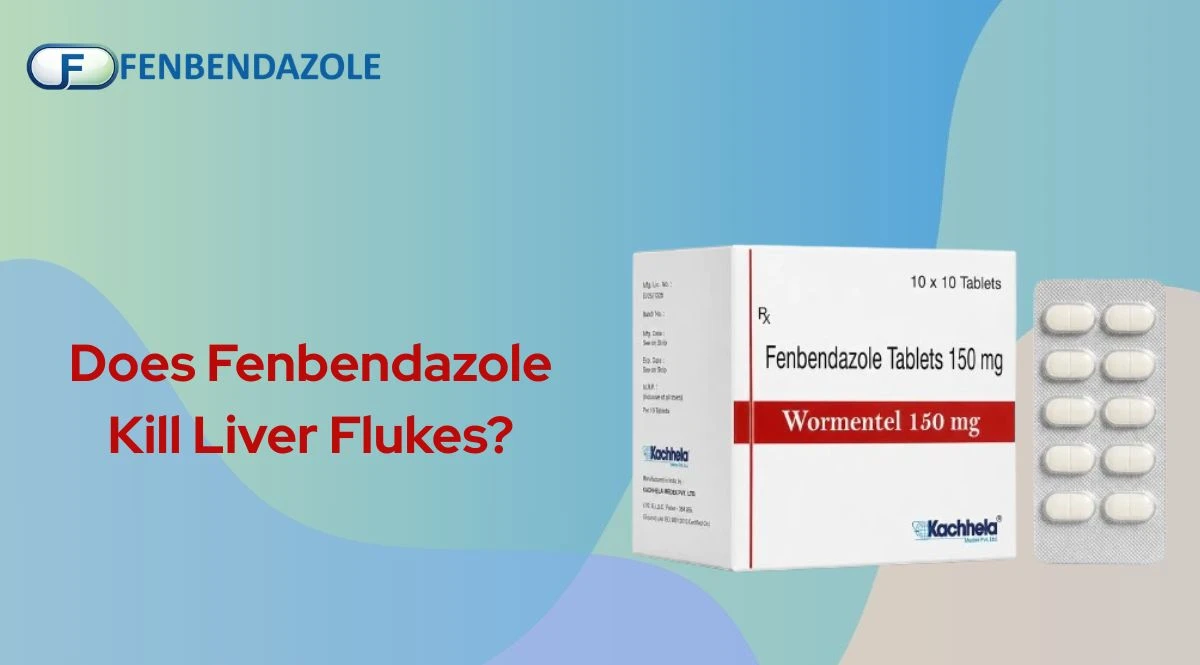
Fenbendazole is primarily a veterinary medicine used for parasitic worm infections. Most recently, people started to wonder about Fenbendazole’s efficacy against liver flukes. Given that liver fluke infections are a global issue for humans and animals, there is an online interest regarding this topic.
Does kill liver flukes? Yes, but how completely? As a benzimidazole, Fenbendazole is effective against many gastrointestinal parasites, but the literature suggests its efficacy against liver flukes is much poorer in comparison to specific fluke infection drugs.
What Are Liver Flukes?
Liver flukes are flat parasitic worms which infect the liver, bile ducts, and gall bladder. The primary way people become infected is by consuming contaminated water or by eating undercooked freshwater fish.
Some of the more common species of liver flukes are:
- Fasciola hepatica
- Clonorchis sinensis
- Opisthorchis viverrini
At a global level, there are over 35 million people infected by food-borne flukes. Many more are at risk, especially in some areas in Asia, South America, and Africa which are mostly afflicted with a lack of proper sanitation.
What is Fenbendazole?
Fenbendazole is part of the class of benzimidazole antiparasitics. It’s primarily a veterinary medicine Fenbendazole used for some intestinal helminths like:
- Roundworms
- Hookworms
- Whipworms
- Tapeworms
The drug acts by impairing sugar absorption by the parasite. This results in the parasite starving, weakening, and eventually dying. Fenbendazole’s use in parasite treatment discussions is a result of its wide parasitic spectrum.
Does Fenbendazole Kill Liver Flukes?
Fenbendazole has limited effectiveness on certain immature stages of the parasite, which is why it’s not the primary drug of choice for the treatment of liver flukes.
Physicians and parasitologists opt for other treatments such as:
- Triclabendazole
- Praziquantel
- Albendazole in some cases
These treatments have an advantage as they specifically target liver flukes that are present within the bile ducts and liver tissues.
Why Liver Flukes Are Harder to Treat?
Liver flukes are different from intestinal worms in that they do not remain in the intestines, but rather migrate to the deeper portions of the hepatic system.
This creates a challenge when treating them due to the fact that:
- Flukes occupy sensitive organs
- Some fluke species can remain in the body for several years without treatment
- They can have various forms of protection
- They have a low profile when it comes to presenting symptoms
When not properly treated, chronic liver fluke infections can lead to liver enlargement, bile duct obstructions, and gastrointestinal complications.
In several regions, infection rates can reach above 20% of the populations living in rural communities who consume raw fish.
How Fenbendazole Works in the Body?
Inside the body, Fenbendazole disrupts the cellular structure and metabolism of parasitic cells which in turn eliminates their ability to produce energy. This treatment is usually effective against intestinal worms within several days.
As for liver flukes, they are much more dangerous and resistant because they are able to protect themselves while residing in the liver.
This is the primary reason Fenbendazole by itself is not effective at eliminating serious or advanced cases of liver fluke infections.
Common Symptoms of Liver Flukes
The symptoms of liver fluke infections can differ significantly depending on the degree of severity of the infection.
Here are some common symptoms of liver fluke:
- Pain in abdomen
- Nausea
- Tiredness
- Fever
- Pain or discomfort in the gut
- Loss of appetite
- Enlargement of the liver
- In severe cases, jaundice
It is possible to have liver flukes for months at a time undetected. This is one of the reasons to have liver screen tests done regularly.
Is Fenbendazole Approved for Humans?
Fenbendazole is mainly a veterinary drug, and in the U.S. it is not approved by the FDA for humans.
Aside from the strong social media presence, studies for humans to treat liver flukes using Fenbendazole as a first-line agent are extremely scarce.
With this in mind, it is better to follow anti-parasitic therapy with a given context.
Possible Risks of Incorrect Use
There are a number of risks that can happen as a result of improper use of Fenbendazole, especially if the liver is not healthy to begin with.
- Inadequate and partial removal of parasites
- Extra stress to the liver with possible prolonged irritation
- Potential drug interactions if other drugs are taken
- Gastro-intestinal side effects
- Possible allergic reactions
Self-medication can make the infection worse.
How Doctors Diagnose Liver Flukes?
To make the diagnosis of liver flukes, the doctor will not rely on symptoms alone and will order tests.
- Stool test for parasites
- Blood tests
- Ultrasound
- CT scan
- Liver function tests
Having these tests will help identify the specific parasite and aid in determining treatment.
Prevention of Liver Flukes
It will be easier to prevent liver fluke infections than treat it.
Here are some basic suggestions on how to accomplish this:
- Do not have raw or lightly cooked fish from fresh water
- Have water that is clean
- Vegetables should be washed prior to consumption
- Maintain good sanitation in the kitchen
- Avoid water that may be contaminated
- If there are ongoing digestive symptoms, then see a doctor
This is especially important for people who are traveling to high risk areas. Take food safety precautions.
Conclusions
Does Fenbendazole kill liver flukes? While Fenbendazole can help to some extent against certain life stages of some parasites, it is not typically the preferred option for treating infections of the liver flukes.
Medicines that are tailored for the treatment of infections caused by flukes are more effective and offer greater reliability. It is important to seek professional help, as well as medical tests, prior to beginning treatment for any parasites.
If liver flukes are suspected to be present, do not depend on web-based information it self to treat the condition. There is a greater chance of successfully avoiding serious long-term complications of the liver with the use of medical treatment.

Key Takeaways
- Ivermectin and Fenbendazole are anti-parasitic drugs that treat a variety of parasite infections.
- Some believe it is beneficial to combine both for larger coverage of parasites, but this should only be done under physician’s guidance.
- Because these medicines have different mechanisms, combining them can have adverse effects by interacting with each other.
- Intestinal worms and scabies are just some of the parasitic infections that plague many people around the world.
- Without a conclusive diagnosis, self-medication of Ivermectin and Fenbendazole can result in the strain of the liver, gastrointestinal disorders and other health issues.
What Are Ivermectin and Fenbendazole?
Ivermectin and Fenbendazole are widely spoken about antiparasitic medicines. They both target parasites, but in different ways.
Ivermectin is prescribed to treat infections like strongyloidiasis, scabies, and onchocerciasis. Ivermectin affects the parasite’s nervous system, leading to paralysis and death.
Fenbendazole is a member of the benzimidazole dewormer class. It is a veterinary medicine primarily for worms in the intestines, like hookworms, whipworms, and roundworms.
Both medicines target parasites in different ways, people wonder whether Ivermectin and Fenbendazole can be taken together relatively safely.
Why Is This Combination Discussed?
Ivermectin and Fenbendazole have gained a lot of interest online in recent years. Many focus on the combination of therapies to target different parasites simultaneously.
As per World Health Organization, over 1.5 billion people are afflicted by intestinal worm infections. This growing burden has increased the focus on antiparasitic treatments and parasite-cleansing talks.
Some people believe Ivermectin and Fenbendazole used together have the potential to target multiple species of parasites simultaneously.
The growing online interest in this combination should never replace medical consultation and diagnosis.
How Does Ivermectin Work?
Ivermectin primarily targets the parasite’s nerve and muscle cells.
Parasites have specific channels that, when targeted by Ivermectin, lead to paralysis and death. The host naturally removes the dead and dying parasites.
Ivermectin is most commonly associated with:
- Scabies
- Head lice
- Strongyloidiasis
- River blindness
- Some other parasitic worm infections
Ivermectin treatments tend to be a single, short-term dose that is extended based on the patient’s weight.
How Does Fenbendazole Work?
Fenbendazole differs from Ivermectin.
Fenbendazole hampers the absorption of glucose and contributes to the destruction of the parasite’s structure. The parasite eventually dies from a lack of energy.
Fenbendazole is most commonly used to treat a variety of intestinal worms within domesticated animals. Its usage in humans is still being explored by some researchers and healthcare providers.
It is because of this distinct mechanism that Ivermectin and Fenbendazole are often discussed in the same context.
Can Ivermectin and Fenbendazole Be Taken Together?
In certain cases, healthcare professionals may consider employing Fenbendazole and Ivermectin in tandem to achieve a broader coverage of the parasite spectrum.
The foundation of this combo is rather elementary and revolves around Ivermectin impacting:
- The functioning of the nerve of the parasite
- Fenbendazole impacts the metabolism and the syntactical integrity of the parasite
Since they attack parasites in different ways, it helps with hard to treat mixed infections.
Nevertheless, no large scale clinicals on humans are available that show the combination of Ivermectin and Fenbendazole is safe or is required to treat the population. That’s why medical supervision is of utmost importance.
Possible Benefits of Ivermectin and Fenbendazole
Some possible advantages of combining Ivermectin with Fenbendazole may include:
- Increased range of parasite coverage
- Different methods of parasite elimination
- Supplemental coverage of multi-resistance infections
- Targeted short-term parasite management
Some reports have noted that combination therapy can reduce parasite load more quickly in certain cases. It’s critical to have the correct diagnosis before the initiation of any antiparasitic therapeutic regimen.
Ascertaining the presence of a parasite can be challenging.
Some parasitic symptoms can be similar to those of a digestive disorder, an intolerance, IBS, or a bacterial infection. Self-treatment before diagnostic testing can prolong the diagnostic journey.
Risks of Using Ivermectin and Fenbendazole in Combination
As discussed on many webpages, using Ivermectin and Fenbendazole in combination can be opportunistic and risky.
Common Adverse Reactions
- Nausea
- Headaches
- Fatigue
- Dizziness
- Diarrhea
- Abdominal pain
- Skin rash
Using Fenbendazole alone can exert more stress on the liver and can be exacerbated if used inappropriately or for an extended duration.
Drug Interactions
Ivermectin and Fenbendazole can interact with:
- Anticoagulants
- Central Nervous System depressants
- Antifungal medications
- Anticonvulsants
- Immunosuppressants
For this reason, practitioners can be very selective when considering a combination of antiparasitics.
Who Should Avoid the Ivermectin and Fenbendazole Combination?
Some individuals should be more cautious with the use of Ivermectin and Fenbendazole in combination.
They include:
- Pregnant and lactating women
- Children (when used, this requires special medical approval)
- Patients with Hepatic diseases
- Patients with seizures
- Patients using multiple prescription medications
- Patients with severe immunosuppression
Older individuals may also experience delayed clearance of the medication, which can intensify the risk of side effects and toxicity.
Do not assume that because a drug treats parasites, it is safe to take for everyone.
Tips for Safe Use
These are some things you can do to keep Fenbendazole and Ivermectin safe:
- Only take the doses your doctor tells you to.
- Don’t decide to keep taking them longer than your doctor says.
- Don’t drink alcohol while taking them.
- Be sure to drink your water!
- Tell your doctor about any other medications or supplements you are taking.
- Be on the lookout for strange symptoms.
- Make sure you do the lab work your doctor recommends.
Final words
Fenbendazole and Ivermectin are two antiparasitic medicines use to treat parasites as well. In certain situations, if a broader parasite coverage is needed, then some doctor’s offices may use Ivermectin and Fenbendazole together.
This, however, is not for everyone, nor should it done without a physician. Although the number of Ivermectin and Fenbendazole blogs continues to rise, there is too little scientific evidence to justify the Fenbendazole for humans.
The best option is to have a physician do the correct diagnosis and have treatment based on the evidence. If you think you have a parasite infection, see your primary doctor before any antiparasitic farm medicine.to a doctor.

Correct antiparasitic medication is critical to successfully treating intestinal worm infestations. In the USA, the short treatment length and broad-spectrum parasite coverage of veterinary medicines such as is Fenbendazole safe being more frequently discussed.
Developed for veterinary medicine, Fenbendazole is a medicine that is getting more and more attention for its possible applications in treating humans. Still, there are many concerns for patients and healthcare professionals surrounding the possible Safe use of Fenbendazole in humans.
For the people looking for answers if Fenbendazole Safe use is possible for humans, this is what the current researches are indicating.
What is Fenbendazole?
Fenbendazole is a type of benzimidazole antiparasitic medicine that is mainly used to treat intestinal worms in animals. It is effective on a variety of parasites, namely:
- Hookworms
- Roundworms
- Whipworms
- Tapeworms
Fenbendazole can disrupt worm metabolism and block the absorption of glucose. Therefore, the worms lose energy, and they even weaken, die and eventually leave the body along with stool.
Due to such a mechanism, the use of Fenbendazole in humans under medical supervision also has become a topic of discussion in many forums.
Is Fenbendazole Safe for Humans?
Fenbendazole is not approved by the FDA for routine use in humans in the USA. However, it is possible for doctors to think about the use of Fenbendazole as the last resort in such cases where patients are left with no other alternative.
Therefore, it is important to keep in mind the right diagnosis, physician supervision, the right dosage and the medical history of the patient in order for Fenbendazole Safe to use for humans.
Medical self-care is strongly discouraged, although some adults have reportedly used Fenbendazole under the supervision of a medical professional.
The focus of concern is that veterinary medicines are not automatically considered safe for use in humans, despite their success in the veterinary field.
Why Has Fenbendazole Become Popular Online?
Fenbendazole has recently become the subject of online debates relating to safe medications and parasite treatments. The popularity of this medication can be attributed to a number of reasons including:
- Social Media Conversations
- Online Patient Testimonials
- Traveling Related Parasite Concerns
- Growing Interest of the Medical Community
Online forums for frequent travellers to high-risk countries often discuss fenbendazole for intestinal parasite issues. Others developed an interest in fenbendazole after hearing online success stories.
As more people discuss fenbendazole treatments online, it’s important to be aware that fenbendazole should not replace professional medical treatment. Fenbendazole Safe treatment may work for some, but it may not be fit for all.
To prescribe any type of antiparasitic treatment, physicians will consider the patient’s:
- Age
- Sex
- Body weight
- Liver health
- Immune System
- type of infection
- other prescriptions
Proposed Uses of Fenbendazole in Humans
Treatment of Intestinal Parasites
Fenbendazole is be studied in humans primarily due to the treatment of intestinal parasites.
Medical researchers have started to study fenbendazole safe treatment and its effects on:
- hookworms
- roundworms
- whipworms
- several strands of tapeworms
Treatment durations of fenbendazole are short, usually 3 to 5 days, which leads many to believe fenbendazole is safe treatment.
However, in order to mitigate risk, medical treatment supervisory services remain a necessity.
Interest in Cancer Treatment
There has been a growing interest in cancer treatment and fenbendazole, given that both parasites and cancer cells rely on the body’s glucose metabolism to a significant extent. This area attracts much attention on the internet, but fenbendazole safe treatment for cancer has not been substantiated by medicine.
Some important points to consider are:
- Fenbendazole has not been approved for cancer treatment.
- The extent of human clinical trials is minimal.
- Patients should never replace standard oncology treatments with these unapproved therapies.
What Are the Risks of Fenbendazole Use?
Fenbendazole Safe use is not always guaranteed, even if some patients tolerate it well.
The risks are:
- Hepatotoxicity
- Abdominal pain
- Nausea
- Drug interactions
- Dermatitis
- Gastrointestinal distress
The higher the medical condition, the higher the risk e.g.
- Liver problems
- Immuno-compromised patients
- Hematological disorders
- Multiple medication use
This is why the safety of Fenbendazole use is carefully evaluated by the doctor.
Fenbendazole vs Ivermectin Human Use
Fenbendazole and Ivermectin are both extensively discussed for the treatment of parasites. However, they are separate drugs with separate mechanisms.
The type of infection, clinical condition, and health status of the patient, as well as possible interactions, all influence the appropriate medication.
Some users prefer self treatment and create their own therapy. However, this poses considerable health risks.
The safety of Fenbendazole may improve health status, but other therapies are at the discretion of the physician.
Benefits of Fenbendazole for Humans
Fenbendazole draws the ongoing research interest primarily based on several potential benefits.
Broad-spectral coverage may enable the drug to treat a variety of intestinal worms.
Therapies may last only a few short days.
- Tablet forms are beneficial for patients.
- With proper guidance, side effects in adults may be tolerable.
- The safety of Fenbendazole use, more importantly, hinges on the appropriate dose.
- If Fenbendazole is prescribed, what can be done to improve safety
- Don’t presume that presenting symptoms are suggestive of parasitic infection.
- Use only physician-approved treatment.
- Fenbendazole Safe use should occur under healthcare supervision.
- Animal products may vary in standards of formulation, purity, and dosaging.
- If you experience ill effects that you think are related to this treatment, do not wait to seek medical assistance.
- Do not take Fenbendazole with Ivermectin or other antiparasitic formulations.
Not Recommended for Certain Groups
Fenbendazole is largely avoided in:
- Pregnant women
- Breastfeeding women
- Children under 18
Conclusion
Fenbendazole Safe use for humans is a hotly debated topic in the USA. Some physicians may resort to off-label use to treat parasite infections, but it remains non-FDA approved for regular human treatment.
Fenbendazole Safe use hinges on proper healthcare provisions, and encompasses:
- Accurate diagnosis
- Physician supervision
- Proper dosing
- Medical history
While self-medication is becoming popular and forum discourse promoting the positive aspects of the treatment increases, the risk of clinically significant liver injury remains a concern.
If you suspect you have a parasitic infection, do not rely on internet trends. Your best bet is to visit your healthcare provider to help treat you and test you.

Key Takeaways
- FBZ is a veterinary deworming medication with limited research on its impact on cancer cells.
- There is still a lack of significant clinical research on its use in humans.
- Fenbendazole is not FDA approved for use in cancer treatment.
- FBZ has possible interactions with other medications and can affect the liver.
What Is Fenbendazole?
Fenbendazole is an antiparasitic drug primarily used in veterinary medicine. Fenbendazole is an anthelmintic drug, designed to kill parasitic worms.
It is marketed under many veterinary brand names including Panacur and Safe-Guard. It is used by veterinarians to deworm and treat infections of intestinal parasites in dogs, cattle, horses, and goats.
Fenbendazole is used to treat:
- Roundworms
- Hookworms
- Whipworms
- Tapeworms
- Lungworms in livestock
Fenbendazole is a standard intestinal parasite deworming treatment in dogs. It is also use in cattle and goats for the control of parasitic infections in the digestive and respiratory systems.
Fenbendazole has gain attention for possible use in humans, but it is important to remember it is only design and approve for use in animals.
How Fenbendazole Works in the Body?
Fenbendazole works by targeting a protein within parasites called tubulin.
One of the cellular building blocks is tubulin, which builds microtubules. These are similar to the scaffolding of a building as they are the internal framework of a cell. Microtubules are also important for structures that are related to:
- The division of cells.
- Transport of materials in the cell.
- The shape and structure of the cell.
- The flow of the cell’s energy.
Fenbendazole work by sticking to tubulin and disrupts the internal structure of the parasite. Fenbendazole is similar to the parasite’s microtubules. Without functioning microtubules, parasites are unable to transport nutrients to facilitate its metabolism.
The parasite weakens and dies due to loss of energy.
It is similar to the pulls of a building being removed. After the internal structure collapses the system is unable to function.
How Healthy Cells Use Internal Structures?
The images below help explain how normal cells use microtubules as internal support systems for transporting nutrients and maintaining cell stability.
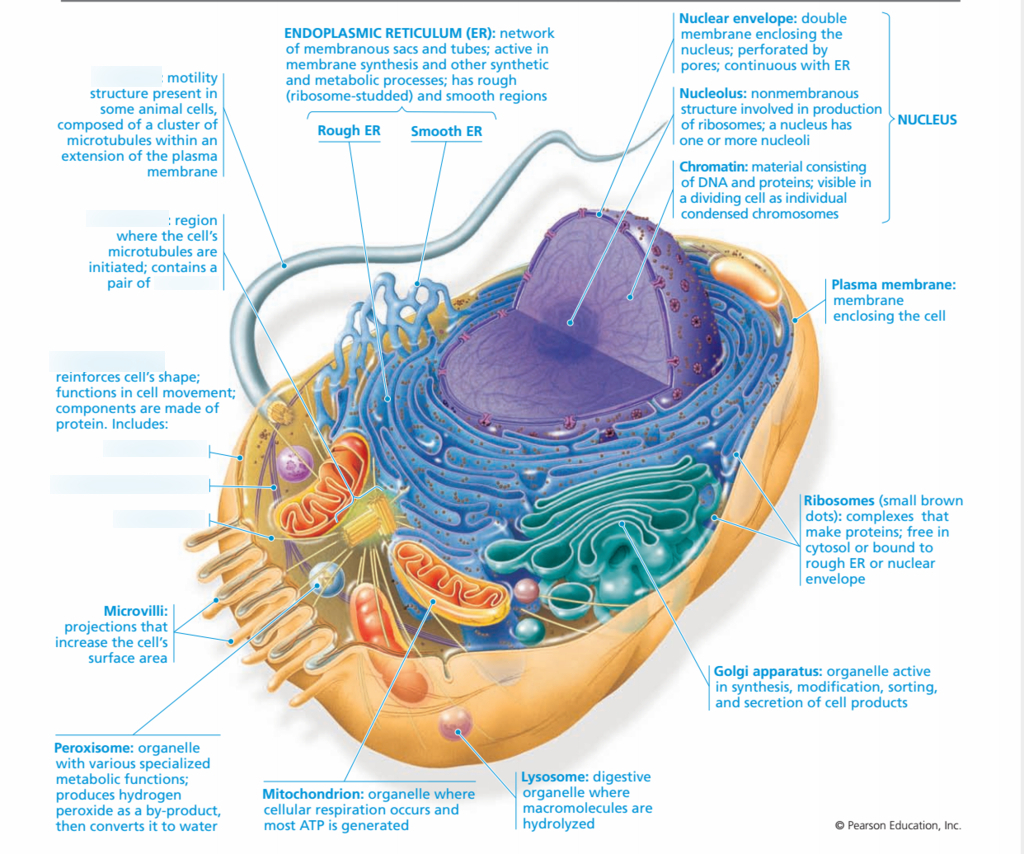
Healthy cells rely on these support structures to move energy and supplies throughout the cell efficiently.
How Fenbendazole Affects Parasites?
Fenbendazole disrupts these internal support systems. Once the microtubules break down, transport stops and the parasite loses its ability to survive.
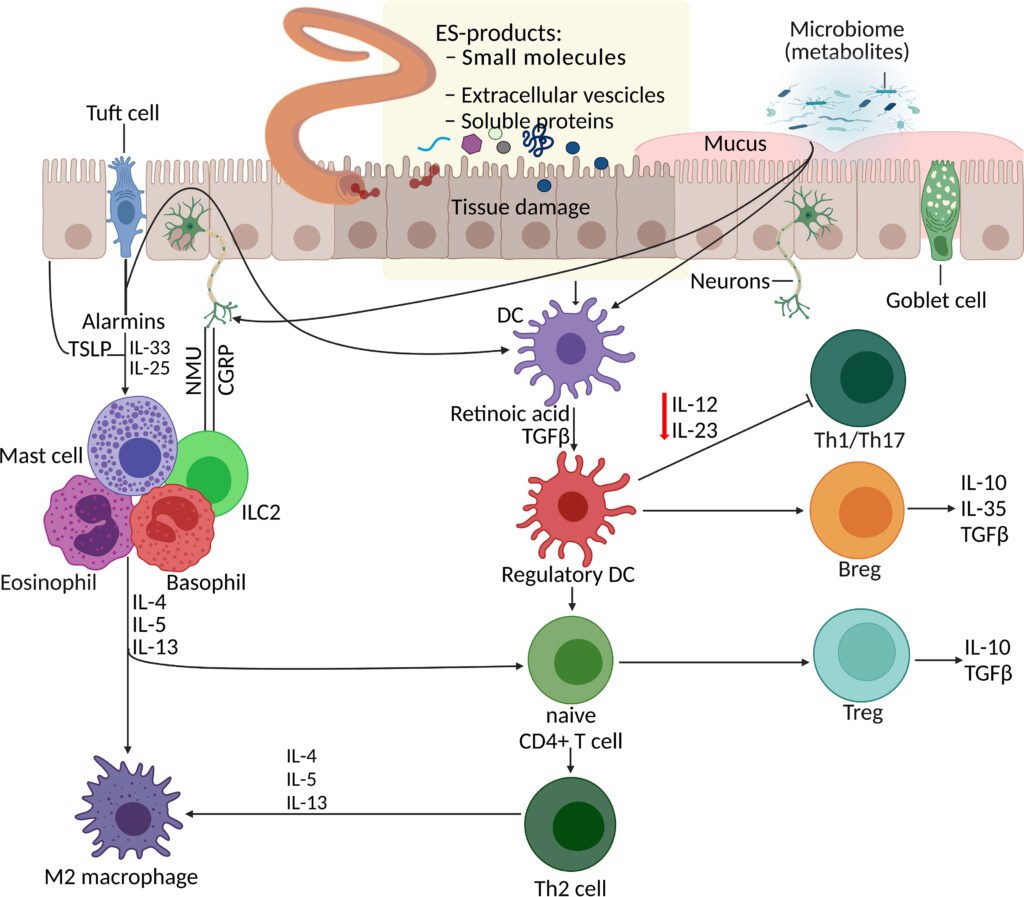
Researchers suspect this same mechanism may explain why Fenbendazole has attract attention in cancer research.
What Does Fenbendazole Do to Human Cells?
Scientists have begun to investigate whether Fenbendazole could effects on human cells that are similar to its effects on parasitic cells.
Changing the Structure of Cancer Cells
Microtubules are used by cancer cells to spread and divide. Some lab studies suggest Fenbendazole might dissolve this scaffold, allowing cancer cells to divide more easily.
Changes in Glucose Consumption
Cancer cells tend to consume glucose heavily. This has to do with a phenomenon call the Warburg Effect in which a sugar metabolism is favored by tumors for greater growth.
Early studies suggest Fenbendazole may cause a greater hinderance to a cancer cells’ energy source by affecting the means by which they process glucose.
Changes in p53 Activity
The human body has the p53 gene as a means of protecting the body from unregulated cell growth. This system, however, becomes ineffective in numerous cancers.
The effects of Fenbendazole on Glucose metabolism and the support of the p53 pathway promote research in this area. However, the research in this area is still limited.
Fenbendazole and Cancer Reserch
Fenbendazole has begun to spark some interest in metabolic cancer research.
Some researchers are trying to find out if targeting glucose in the cancer cells’ metabolism and affecting the cancer cell’s structure, may increase the sensitivity of cancer to other treatment modalities such as:
- Chemotherapy
- Radiation
- Immunotherapy
It is important to recognize how early this research is.
The Present State of Research
Currently, most of the research that derives evidence for Fenbendazole in cancer treatment comes from:
- Laboratory Studies
- Studies on Animals
- Small Case Studies
There have been no significant studies conducted with human beings. Due to the absence of these studies, there isn’t enough evidence to support the use of Fenbendazole for the treatment of cancer with the expectation of safety in humans.
Related Research on Mebendazole
Mebendazole is another type of antiparasitic medication examined in oncology research.
Unlike Fenbendazole, Mebendazole is safe to use for human parasitic infections. Preclinical studies have focus on its potential in:
- Glioblastoma
- Colon Cancer
- Melanoma
- Gastrointestinal cancers
Although precursory data indicates positive outcomes, researchers must conduct more studies in humans to generate relevant conclusions.
Is Fenbendazole Human Approved?
No. Fenbendazole is not human-approve by the FDA.
It is only authorized for veterinary use. There is no human dosing guideline, long-term safety monitoring protocol, or formal cancer protocol using Fenbendazole, raising safety concerns, as veterinary formulations are not design for human consumption.
Possible Risks and Safety Concerns
Practicing unsupervised Fenbendazole usage may lead to:
- Elevation of liver enzymes
- Adverse drug interactions
- Gastrointestinal discomfort
- Adverse reactions of unknown duration
Cumulative risk concerns when used in conjunction with chemotherapy or dietary supplements.
These factors reinforce the fact that people undergoing cancer should not employ self-treatment or self-management of cancer without professional healthcare supervision.
Why Clinical Oversight Matters?
In the absence of formal human-use approval, professional monitoring becomes especially relevant.
Healthcare professionals may aid in monitoring:
- Current medications
- Liver Health Assessment
- Possible medication interactions
- The overall safety of the therapeutic regimen
Some integrative oncology clinics also offer educational consultations about some emerging metabolic therapies although these therapies should not replace standard medical care.
Final Thoughts
Fenbendazole is, and likely will remain, primarily a veterinary antiparasitic medicine to treat worm infections in other species. Because of its ability to cause disruption of microtubules and interrupt cellular metabolism, it is a topic of interest for cancer research.
Initial lab findings indicate that there might be potential cellular anticancer mechanisms involving disruption of cell structures and modulation of glucose metabolism. However, evidence remains preclinical, and the investigation is still in its early stages and lacks extensive clinical trials on the human population.
At this level of research, Fenbendazole cannot classified as an approved anticancer drug in human medicine. It should not be ingested without prior medical consultation in order not to harm oneself.

Fenbendazole is widely used in veterinary medicine as an antiparasitic drug, but it has now been brought into the spotlight of potential cancer research. Over the past several years, there has been more discussion surrounding Fenbendazole and Cancer. This is due to preliminary studies, stories from the public, and a rise in online popularity. Although it remains a veterinary medicine, researchers are curious about the possible anti-cancer properties and the mechanisms behind them.
Interest in fenbendazole skyrocketed when cancer patients reported positive experiences when combining the drug with traditional cancer treatments. This prompted more research to see how fenbendazole can interact with cancer and possibly provide supportive treatment options in the future.
What is Fenbendazole?
Fenbendazole is an antiparasitic drug and a member of the benzimidazole class. It has been approved for the use in treating parasitic infection in animals in the 1970s and has been used to treat roundworms, hookworms, whip-worms, and tapeworms.
As a microtubule disruptor, it is used to treat parasitic infections. Microtubules are part of the cytoskeleton used for cellular structure and are very important during the process of cell division. Cancer cells use microtubules as well to facilitate their growth and spread, and that is the reason why fenbendazole is being studied in cancer research.
Why Is Fenbendazole Being Studied for Cancer?
Preclinical studies have shown that Fenbendazole has the potential to impact multiple cancer-associated pathways. In the lab, it’s been shown that Fenbendazole may:
- Prevent the mitosis of cancer cells
- Block the consumption of glucose by tumors
- Cause apoptosis to occur in cancer cells
- Modify the structure of microtubules
- Inhibit the growth of tumors in vivo
Some of the preliminary information available is that Fenbendazole may kill cancer cells while protecting normal cells. The bulk of the evidence, however, is in the realm of basic science and animal work.
Clinical Insights Into Fenbendazole and Cancer
Fenbendazole has not been approved by the FDA to treat cancer in humans. There are no published, large, randomized controlled trials demonstrating that it can neared or treat cancer. A number of clinical reports and experimental studies have provided the basis for interest in the field.
Laboratory Research
Based on the available data from preclinical studies, Fenbendazole may slow the progression of the following cancers:
- Lung cancer
- Breast cancer
- Colorectal cancer
- Glioblastoma
- Prostate cancer
- Pancreatic cancer
Preliminary studies have shown Fenbendazole may have an impact on cancer metabolism by decreasing the glucose uptake within tumors. Since cancer cells have an increased need for energy to proliferate, that may increase the death of the cells.
Popular Fenbendazole and Cancer Protocols
Fenbendazole has gained popularity among the cancer community, especially in the alternative therapies realm. These therapies are considered experimental and should not be substituted for evidence-based medical care.
The Joe Tippens Protocol
The Joe Tippens Protocol is one of the most popular Fenbendazole protocols found on the internet. It includes:
- Fenbendazole
- Curcumin
- CBD oil
- Vitamin E
Most of the Joe Tippens followers will take Fenbendazole for three days on and four days off for a week.
Daily Fenbendazole Protocol
Some people are more comfortable using a lower dosing system on a daily basis. This protocol can include:
- Daily Fenbendazole
- Immune-supporting supplements
- Proper nutrition
- Hydration
The intention is to keep exposure stable while reducing the potential for side effects.
Fenbendazole With Curcumin Protocol
Curcumin is the natural compound found in turmeric. Its antioxidant and anti-inflammatory characteristics make it a desirable supplement to pair with Fenbendazole.
This protocol can include:
- Fenbendazole
- Curcumin
- Healthier diet changes
- Reduced sugar
This protocol is designed to reduce the stress response that cells can experience and is improved with curcumin.
Fenbendazole and Vitamin Protocol
It is common for users to add Fenbendazole to a mix that includes vitamins and other supplements, such as:
- Vitamin D
- Vitamin C
- Zinc
- Omega 3s
The purpose of this is to provide overall support for the immune system during the course of the treatment.
Rotational Antiparasitic Protocol
This is an alternative method that uses rotating several antiparasitic agents throughout the weeks, such as:
- Fenbendazole
- Ivermectin
- Mebendazole
The supporters of this method think that targeting different pathways in the biological system can be achieved by rotating the compounds, but there is not a lot of scientific evidence to support this.
Metabolic Support Protocol
This protocol includes Fenbendazole and the combination of lifestyle and dietary changes that are aimed to support metabolic health.
Common components are:
- Lower sugar diets
- Intermittent fasting
- Exercise
- Food high in antioxidants
This can help to reduce the inflammation and improve the function of the body as a whole.
Potential Risks and Side Effects
Fenbendazole is relatively safe for animals, but unknown long-term effects are uncertain when used for humans. There are reports of mild to moderate side effects for some users.
Side Effects Reported:
- Nausea
- Diarrhea
- Extreme fatigue
- Stomach pain
- Altered liver enzyme levels
- Allergies
- Headaches
Because of the absence of administration or dosing guidelines, the risk of self-targeted treatment increases.
Safety Precautions to Consider
Below are several factors related to using Fenbendazole to treat cancer:
- Not FDA-approved to treat cancer
- Limited human clinical trials
- Quality of animal centric drugs is uncertain
- Drug may interact with others
- Dosing may cause health hazard
Consulting a qualified healthcare professional is necessary before using any unapproved treatment.
Conclusion
Fenbendazole in combination with cancer has been an area of focus for many. Laboratory-based research has shown Fenbendazole to affect cancer cells through a myriad of mechanisms, yet human-based research on this remains limited.
Different approaches to the use of Fenbendazole, including the use of supplements, Joe Tippens Protocol, and other approaches, have gained popularity on the internet, but they should not be considered a substitute for proven cancer treatments.
Those interested in the use of Fenbendazole should first consult a qualified healthcare professional for advise on the use, risks and safety of Fenbendazole.

Breast cancer is still one of the most commonly diagnosed cancers in the world, and the sheer number of cases shows just how many women are impacted by it. Though breast cancer’s average prognosis is improving thanks to the advent of surgery, chemotherapy, and radiation therapy, other alternative or repurposed medicines may supplement this situation.
Fenbendazole is a veterinary drug design to kill worms in animals, and in recent years, this repurposed medicine came into the limelight with a host of recovery testimonies and accredited lab-studies with anticancer activity.
Currently, Fenbendazole is still not FDA-approved for breast cancer treatment, but the research and the interest shown by patients remains high.
Understanding Breast Cancer: Basics to Know
Cancer cells can bypass and even redefine the life cycle of a cell by continuing to grow and ultimately, form a mass known as a tumor. Some cancers are able to remain contains while others continue to progress and move throughout the body, breaching the lymphatic and vascular systems to effect distant tissues. Treatment methods become more diverse and improve with the stage and type of cancer.
Breast Cancer Survival Rates
Breast cancer survival rates, as reported by the American Cancer Society, break down as follows:
- Localized breast cancer has a survival rate of approximately 99% at 5 years.
- Breast cancer that is regional has a survival rate of about 87%.
- Breast cancer that has metastasized distantly has a survival rate of about 32%.
These outcomes have improved over the years due to:
- Diagnostic advancements
- Improving screening options
- Better therapeutic options
- Greater customization of treatment plans
Traditional treatment options may include:
- Surgical interventions
- Chemotherapy
- Radiation
- Hormonal treatments
- Targeted treatment
- Immunotherapy
Although treatment options have improved, many patients remain on the lookout for supportive treatment options, particularly for breast cancer that is aggressive and/or metastatic.
The Promise of Repurposed Medicines in Cancer Treatment
Creating a new cancer treatment option from the ground up is a lengthy and expensive process, which has result in many researchers focusing on drug repurposing, the use of already-existing medications for an alternate medical use.
The safety of previously created medications is know, allowing a more rapid and potentially cost-effective research process.
Interestingly, some of the earliest chemotherapy drugs originated from something entirely different that was repurposed for a separate reason. Especially for cancer treatment, that idea continues to excite researchers.
A study on over 57,000 women spanning more than eight years showed that women taking low-dose aspirin (81 mg at least three times weekly) reported incidences of breast cancer less frequently than those who did not take low-dose aspirin. This lends evidence to justify the use of other non-cancer medications for cancer prevention.
Fenbendazole is now one of the medications included in this area of research.
Fenbendazole: From Veterinary Medicine to Cancer Research
Fenbendazole is Panacur C® and Safe-Guard® and is a veterinary medicine treating parasites in livestock that began use in 1974.
Veterinarians use the medicine to treat:
- Roundworms
- Hookworms
- Tapeworms
- Lungworms
- Whipworms
In 2009, Fenbendazole began research in cancer treatment at Johns Hopkins University. When scientists treat mice with glioblastoma, those in the treatment group failed to grow tumors.
This encouraged interest in the effects of Fenbendazole on cancer cells.
How Fenbendazole May Work Against Cancer Cells
Fenbendazole is a microtubule inhibitor.
Cancer cells and healthy cells utilize microtubules to grow and divide.
Fenbendazole is thought to work by:
- Disruption of microtubule formations
- Inhibition of cell division
- Blocking glucose uptake in cancer cells
- Interference of multiple cancer cellular pathways
- Increasing cellular stress in cancer cells
Cell may die as the microtubules and cancer cells lose the ability to divide and survive.
The most promising finding from early research is the effect Fenbendazole may have on cancer cells greater than on healthy cells.
Promising Effects of Fenbendazole on Breast Cancer
Other drugs in this research have shown that Fenbendazole may have effects on breast cancer.
Fenbendazole was test during a major study on the following:
- Healthy breast cells (MCF-10A)
- Less aggressive breast cancer cells (MCF-7)
- Highly aggressive breast cancer cells (MDA-MB-231)
Fenbendazole increased the following after 48 hours:
- Increased stress and damage in aggressive cancer cells
- Greater effects on MDA-MB-231 aggressive cancer cells
- Lower stress levels in healthy breast cells
This indicates Fenbendazole targets aggressive breast cancer cells, sparing healthy cells.
Researchers hypothesize that based on the findings from the study, the selective treatment may minimize side effects and may eventually translate to human use.
However, the selective treatment effects are only base on studies using in vitro and in vivo models.
Patient Stories and Growing Interest
Fenbendazole has receive a lot of internet attention as a result of the anecdotal cancer patient stories that were shared on both social media and cancer forums.
There are patients who report positive changes to their condition while taking Fenbendazole in conjunction with traditional cancer treatments. Others reported increased energy levels and that their scan results relatively remained the same.
It is important to note the following:
- It do not serve as scientific evidence.
- this stories are highly individualized
- There are no clinical trials
Currently, no evidence supports the claim that Fenbendazole is a cure for breast cancer in humans.
Despite these limitations, these stories are responsible for the renewed interest in the research.
Is Fenbendazole Approved for Human Cancer Treatment?
At this time, Fenbendazole is not approve to treat breast cancer or any other cancer in humans.
The FDA has approve other similar antifungal and antiparasitic medications for humans, however Fenbendazole is a known veterinary medication.
Researchers are studying the safety, dosage, and potential side effects of Fenbendazole when it is used in conjunction with traditional cancer therapies.
Due to the lack of human research, treating yourself without the supervision of a qualified health professional is potentially dangerous.
Negative Effects and Risks
Fenbendazole is generally quite well tolerated in animals, and there do not seem to be many side effects based on some of the off-label human reports. However, there are some potential concerns, which include:
- Nausea(s)
- Digestive Tract Disturbance
- Stress on the Liver
- Digestive Problems
- Drug Interactions
It is crucial that patients on chemotherapy and other cancer medications never mix therapies without consulting health professionals.
Conclusion
In recent years, fenbendazole has become one of the most novel and controversial repositioned drugs in the field of cancer research. In some early-stage lab studies, fenbendazole was shown to inhibit the growth of some aggressive types of breast cancer and was shown to spare some healthy tissue.
As an experimental breast cancer treatment option, there are no clinical studies which confirm its safety (i.e. absence of side effects) and efficacy in humans, and its early-stage data is quite positive.
Because of the active ongoing research in cancer therapy, and the growing number of case studies, fenbendazole has become a hot topic in novel cancer research.
Any person considering fenbendazole for the treatment of breast cancer should first speak to a qualified doctor to evaluate the risks and possible benefits of the drug.
Fenbendazole is a veterinary dewormer that has developed a niche online reputation for a possible alternative cancer treatment. That reputation is fueled by anecdotal stories and preliminary lab studies. But how many of these treatments have been given actual dosages of science? Today we will look at the evidence for and potential side effects of using fenbendazole as a treatment for the myths of cancer.
What Is Fenbendazole?
Fenbendazole is a drug that falls under the category of anti-parasitic medicine. It is mostly used for pets and livestock. It is prescribed to treat a number of parasitic infections, including those caused by roundworms, hookworms, and protozoans. Fenbendazole works by preventing the parasites from making functional cellular structures.
Even though fenbendazole is very effective, it is strictly veterinary medicine and its use cannot be advocated for humans, and therefore, cancer treatment.
Why Is Fenbendazole Linked to Cancer Treatment?
Fenbendazole gained popularity for cancer treatment due to some anecdotal observations of people improving after taking the drug. This propelled people to discuss fenbendazole in various online forums.
In the scientific community, preliminary lab studies show that fenbendazole can harm cancer cells in the following ways and mechanisms:
- Disruption of microtubule assembly, leading to disruption of cellular division
- Inhibition of tumor growth in a variety of cancer models
- Induction of apoptosis in cancer cells
Despite the potential mechanisms and hypotheses, these pre-requisite studies were based upon various models and lab studies rather than the gold standard of human trials.
What Does the Scientific Evidence Say?
Currently, there is no evidence in humans to support the use of fenbendazole as a cancer treatment.
Research Summary
- Human studies are lacking as most research involves lab work or animal studies.
- No sizeable clinical studies are published that document the safety or clinical efficacy of any treatment for cancer.
- Agencies such as the the U.S. Food and Drug Administration (FDA) have not cleared fenbendazole for the treatment of cancer in humans.
In summary, the fledgling data are insufficient to support fenbendazole as a safe treatment option for cancer.
Common Myths About Fenbendazole and Cancer
1. Fenbendazole cures cancer
There is no oncological evidence that fenbendazole has the ability to cure patients. Evidence is anecdotal and largely unsubstantiated.
2. It is completely safe for humans
The safety of fenbendazole in humans is unknown and unproven. Using fenbendazole in a medical and undeclared capacity can be dangerous.
3. It works better than conventional treatments
Research and testing for fenbendazole is far less extensive than that of more conventional treatments like chemotherapy drugs and radiation.
4. Natural or veterinary drugs are safer alternatives
To treat in a non-pharmaceutical way is sometimes dangerously ineffective and distinguishes itself as ‘natural’ substance. Medicinal substitutions coupled with fenbendazole is especially dangerous.
Potential Risks of Using Fenbendazole for Cancer
1. Lack of proper dosing
There is no clear ligament of dosing fenbendazole so human overdosing and underdosing is largely untraceable.
2. Unknown side effects
Generally lesser known with animals tested, that said, the long-term effects on people are unknown. Possible side effects are likely to include:
- liver
- gastrointestinal
- allergic
3. Delayed medical treatment
The effects of unproven treatment can push you back from evidence based medication for cancer, and as a result, the greater the change to the loss for the cancer.
4. Drug interactions
Fenbendazole disallowed to mixtures, and chemotherapy interactions, thus causing unwanted issues for further complications.
What Do Health Authorities Say?
Most world health organizations, including the FDA, say to be careful. The FDA does not support testing this medication in the treatment of cancer due to a lack of data.
Most doctors recommend to their patients that they use the medications that are supported and authorized in their country, and to talk to a doctor if they are thinking of using other treatment options that are not supported.
Current Research and Future Possibilities
Currently, fenbendazole is not authorized to be used in the treatment of cancer; however, there is continuing research to see what the effects of fenbendazole may actually be. There may be analogs which are of the same class which may be useful in the near future.
Until there are research trials that show enough support, fenbendazole should not be used in the treatment of cancer.
When to Talk to a Doctor
If fenbendazole is the alternative treatment you want to pursue, take a qualified doctor and tell them, Respect, Risk and your Health. A doctor can tell you:
- Risk and take
- Harmful and can be avoided interactions
- Treatment and safe
- Evidence based
The talk from you helps them to keep you safe and not let the actions be in vain. By Respect and Safety let the precaution be for something valid.
Conclusion
As a possible cancer treatment, Fenbendazole is promising but not effective or safe based on current evidence. All research done is early-stage, or anecdotal. There are no clinical trials that support Fenbendazole’s use in humans for cancer treatment.
One day, further development may come, but for now, unnecessary risks would be taken to use this treatment. The best cancer treatment is scientifically supported.